Packaging Compatibility Testing for Liquid Products
Before selecting Cubitainer or Cheertainer packaging for a liquid product, buyers should confirm whether the packaging material, closure, carton structure, and filling process are suitable for the actual formulation. Packaging compatibility testing helps reduce risks related to swelling, leakage, odor transfer, material change, dispensing failure, or unexpected performance during storage and transport.
LIQPACK supports project review for selected liquid packaging applications, including Cubitainer packaging, Cheertainer packaging, and 20L Cubitainer projects. The final recommendation should be based on the liquid type, formulation behavior, filling temperature, storage period, transport conditions, and required dispensing method.
Why Packaging Compatibility Testing Matters
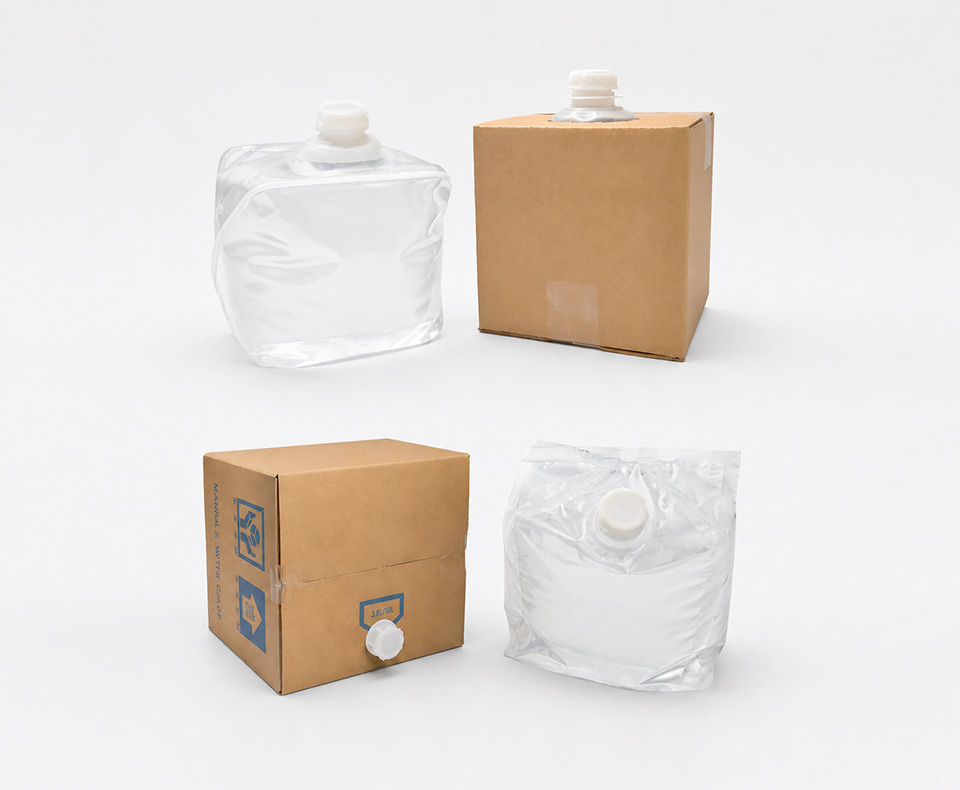
Packaging compatibility testing matters because liquid products can interact with packaging in different ways. A container that works well for one liquid may not be suitable for another formulation, especially when the product has different viscosity, pH behavior, solvent content, gas release, fragrance, storage period, or filling temperature.
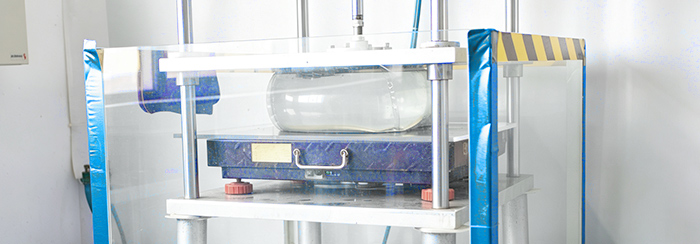
For B2B liquid packaging projects, compatibility should be reviewed before mass orders. The review helps buyers reduce risks related to package swelling, leakage, closure failure, product odor change, material softening, poor dispensing performance, or carton instability during shipment.
This process is not only about the inner container. It should include the full packaging system: container or liner, closure, tap or spout, outer carton, filling method, storage environment, and transport conditions.
What to Confirm Before Testing
Before a packaging compatibility review, buyers should prepare basic product and project information. The more accurate the information is, the easier it is to recommend a practical packaging setup.
Important information includes the liquid type, formulation category, target filling volume, filling temperature, storage period, expected transport route, closure requirement, dispensing method, and whether the product has caused swelling, leakage, or odor problems in previous packaging.
If the liquid is sensitive, viscous, acidic, alkaline, solvent-based, gas-releasing, or fragrance-containing, this should be explained at the beginning of the project discussion.
Liquid formulation and behavior
The liquid formulation affects packaging selection directly. Buyers should confirm whether the liquid is water-like, viscous, acidic, alkaline, oil-based, solvent-containing, gas-releasing, or sensitive to odor transfer. This helps identify whether Cubitainer, Cheertainer, 20L Cubitainer, closure, or film structure should be reviewed first.
Filling temperature and processing conditions
Filling temperature, filling speed, and handling method can affect packaging performance. A package that looks stable at room temperature may behave differently during warm filling, pressure changes, or repeated handling after filling.
Storage period and transport environment
Storage time, warehouse temperature, stacking method, and transport route should be considered together. Long storage periods, export shipment, pallet stacking, and temperature variation may all influence the final packaging recommendation.
LDPE, Film, and Closure Compatibility Factors
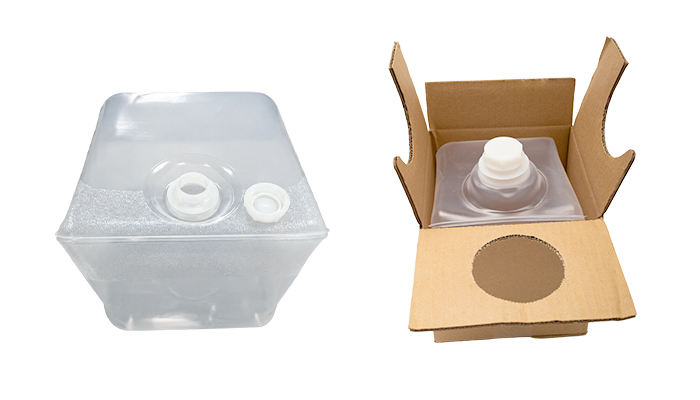
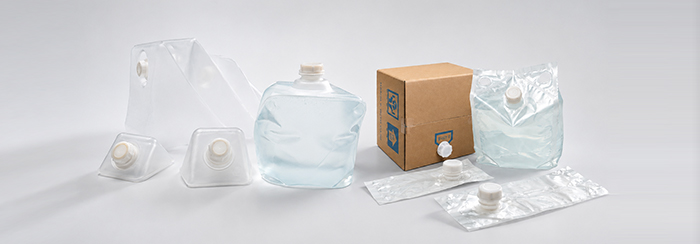
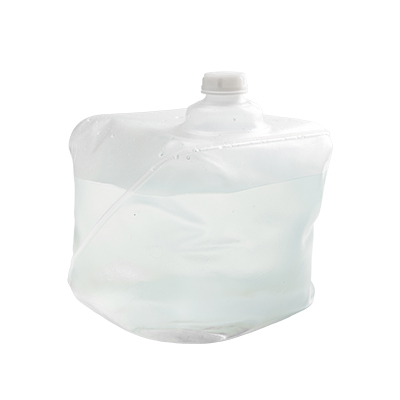
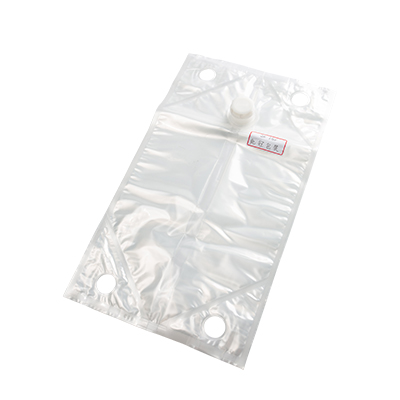
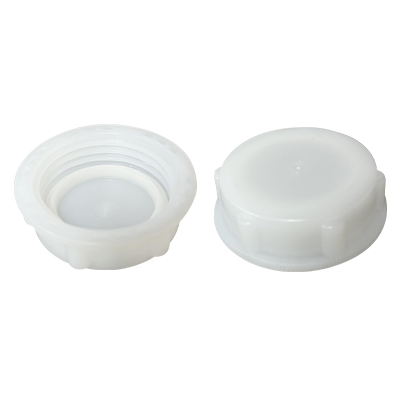
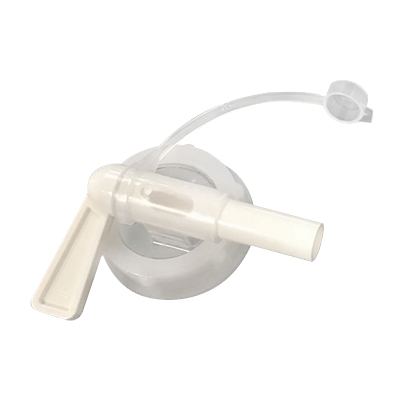
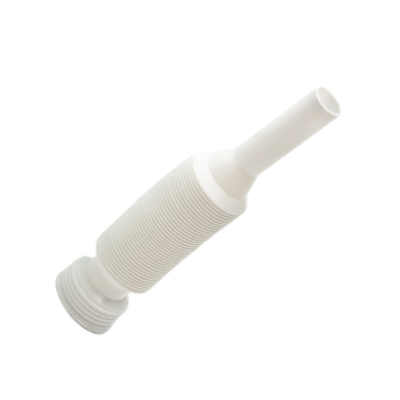
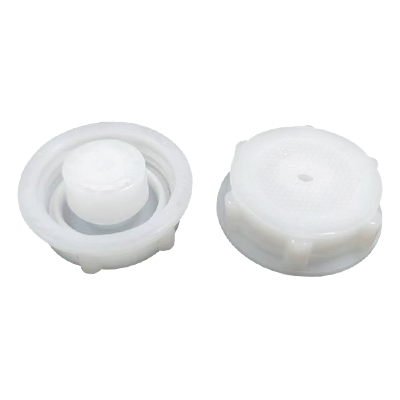
Different packaging formats require different compatibility checks. Cubitainer packaging is commonly based on an LDPE container structure, while Cheertainer packaging may use different film structures depending on the project. Closures, taps, spouts, and vented caps should also be reviewed because they are in contact with the liquid or affected by pressure and handling.
For LDPE-based packaging, buyers usually review chemical contact behavior, temperature exposure, stress cracking risk, odor concerns, and long-term storage performance. For Cheertainer projects, film structure, barrier requirement, fitment matching, and carton performance should be reviewed together.
No material should be assumed suitable for every liquid. Final compatibility should be confirmed through sample review, filling discussion, and project-specific evaluation.
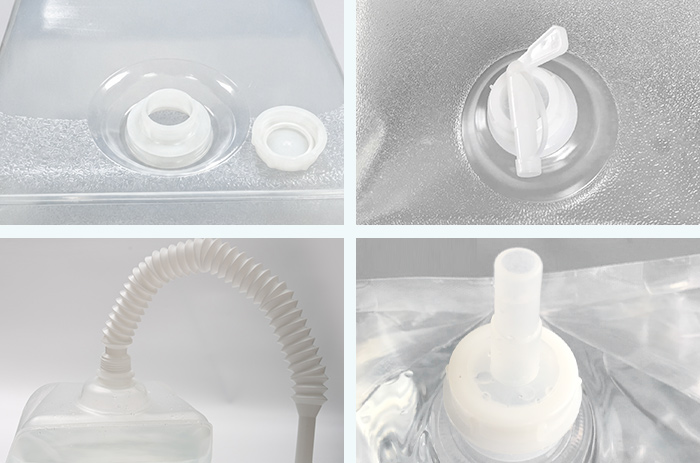
LDPE Cubitainer
Cheertainer film / inner liner
Screw cap
Tap
Spout
Vented cap
Container and Closure Performance
Packaging performance depends on how the container and closure work together. A suitable container still needs the right cap, tap, spout, valve, or vented closure to support sealing, dispensing, storage, and transport.
For viscous liquids, dispensing control may be the main concern. For gas-releasing liquids, venting may be more important. For food or seasoning liquids, clean repeated dispensing may be a priority. For reagent or industrial liquids, material-contact stability and organized shipment may be reviewed more carefully.
This is why a compatibility review should include both the packaging format and the functional components used with it.
Cubitainer or Cheertainer: How Compatibility Affects Selection
Compatibility review can help decide whether Cubitainer or Cheertainer is more suitable for a project.
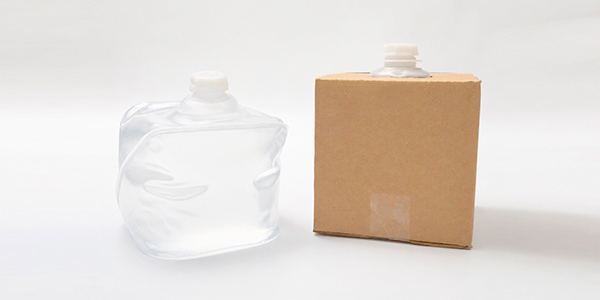
Cubitainer may be preferred when the project needs a more defined container shape, LDPE structure, stable handling, or compatibility with selected hoses, pumps, or dispensing setups.
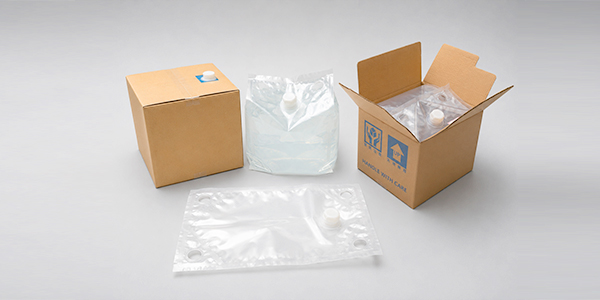
Cheertainer may be preferred when the buyer needs a carton-based packaging system, efficient empty-package storage, form-fit carton support, or selected film and fitment combinations.
If both formats are possible, buyers should compare the actual liquid behavior, filling method, closure requirement, carton arrangement, and end-use handling. For a broader format comparison, see Cubitainer vs Cheertainer.
Cubitainer
Cheertainer
Recommended Compatibility Evaluation Process
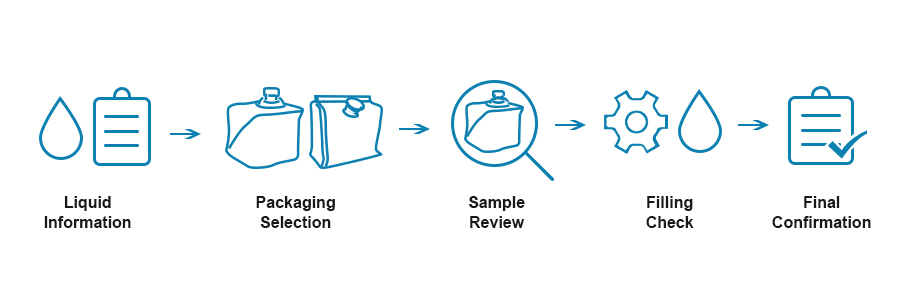
A practical compatibility review can follow these steps:
- Share the liquid information, target volume, closure requirement, filling method, and estimated order quantity.
- Review whether Cubitainer or Cheertainer is more suitable based on the application and handling needs.
- Confirm possible capacity, closure, carton, and dispensing options.
- Arrange sample discussion or sample review when needed.
- Conduct filling, storage, and dispensing checks under the buyer’s actual conditions.
- Confirm the final packaging setup before mass order.
This process helps reduce packaging mismatch and makes the quotation more accurate.
Information to Send Before Quotation
To help LIQPACK review your project efficiently, please send the following information:
- Liquid type and formulation category
- Target filling volume
- Expected packaging format, if already known
- Filling temperature and filling method
- Storage period and transport conditions
- Required cap, tap, spout, valve, or vented closure
- Outer carton or packing requirement
- Estimated order quantity
- Destination market
If you have used another packaging format before, please also share any problems such as swelling, leakage, dispensing difficulty, carton deformation, or storage instability.
Related Application References
Different liquid categories require different packaging review priorities. You may also explore related LIQPACK application pages:
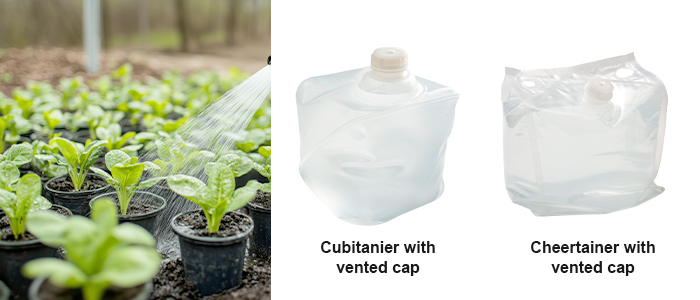
Liquid Fertilizer Packaging: for gas buildup, vented cap, and 5L/10L fertilizer liquid projects.
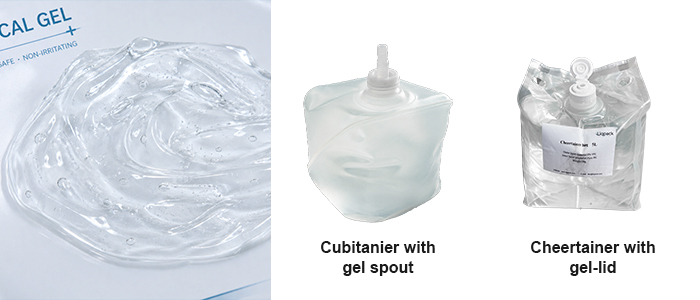
Ultrasound Gel Packaging: for viscous gel dispensing and 5L packaging projects.
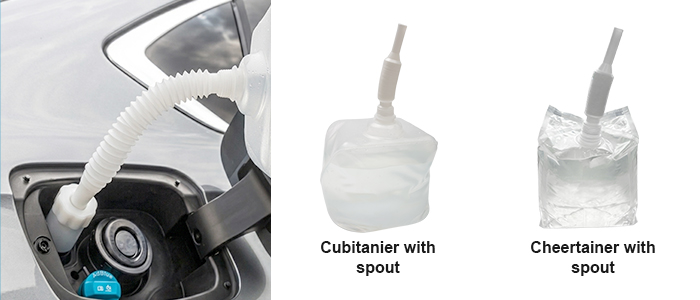
AdBlue Packaging: for DEF refilling, clean handling, and controlled dispensing projects.
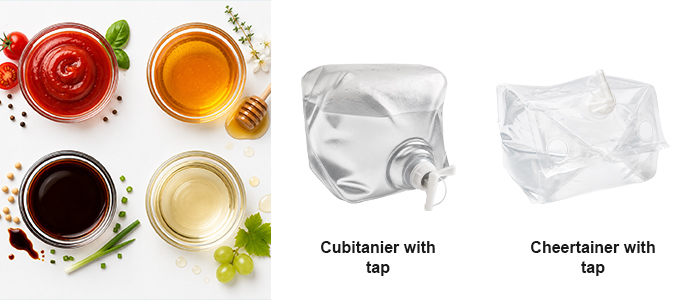
Liquid Food Packaging: for sauce, vinegar, syrup, seasoning, and repeated dispensing applications.
Packaging Compatibility Testing FAQ
What is packaging compatibility testing?
Packaging compatibility testing is the process of checking whether a liquid product, packaging material, closure, carton, and filling method can work together under actual storage, transport, and use conditions.
Why is packaging compatibility testing important for liquid products?
It helps reduce risks such as swelling, leakage, material change, closure failure, poor dispensing performance, and carton instability.
Is LDPE suitable for every liquid?
No. LDPE may be suitable for many selected liquid packaging applications, but compatibility depends on the actual formulation, temperature, storage time, and use conditions.
Can LIQPACK guarantee compatibility without samples?
No. Final compatibility should be confirmed through sample review, buyer-side filling checks, and project-specific evaluation.
Should I choose Cubitainer or Cheertainer?
The choice depends on liquid behavior, filling method, carton requirement, closure selection, storage conditions, and end-use handling.
What information should I provide before quotation?
Please provide liquid type, target volume, filling method, closure requirement, storage conditions, estimated quantity, and destination market.
Request a Packaging Compatibility Review
If you are not sure whether Cubitainer or Cheertainer packaging is suitable for your liquid product, send us your liquid information, target volume, filling method, closure requirement, and estimated quantity. LIQPACK can help review the packaging direction and recommend a practical setup for your project.