
Soy Sauce Packaging and Vinegar Packaging Solutions
Commercial soy sauce packaging and vinegar packaging must suit the filling process, shipping carton, storage conditions, and the way the product will be dispensed.
LIQPACK offers Cubitainer packaging and Cheertainer packaging in 5L, 10L, 18L and 20L formats for selected liquid food projects. Both systems can be configured with a screw cap or plastic tap and matched with an outer carton.
The right setup depends on more than capacity. Formula details, filling temperature, expected storage period, transport conditions, and destination-market documentation should be reviewed before the container, closure, and carton specification is finalized.
Define the Soy Sauce Packaging Requirements First
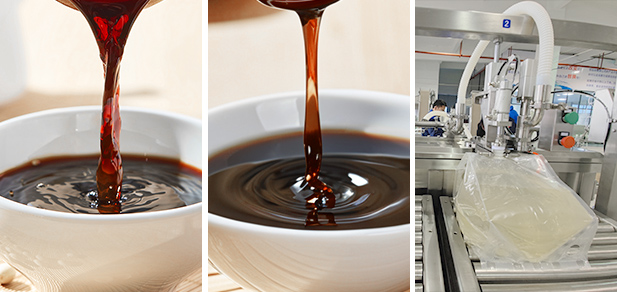
Soy sauce and vinegar differ by formulation, concentration, viscosity, and intended use. A free-flowing table vinegar and a more viscous or ingredient-rich soy sauce may not behave in the same way during filling and dispensing. Buyers should therefore provide the actual product conditions rather than select a package from the product name alone.
The initial review should cover:
- Product type and relevant formulation details
- Required fill volume
- Filling method and filling temperature
- Expected storage period and warehouse conditions
- Transport route and handling method
- Pouring or repeated-dispensing requirements
- Carton, printing, and pallet-packing requirements
- Destination market and required documents
These details help define the container structure, closure, fitment position, and outer carton as one packaging system.
Two Packaging Structures for Soy Sauce Packaging and Vinegar Packaging
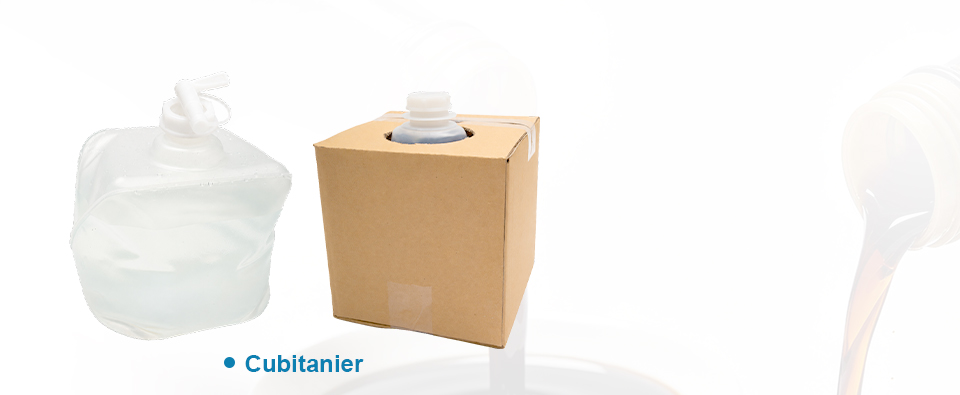
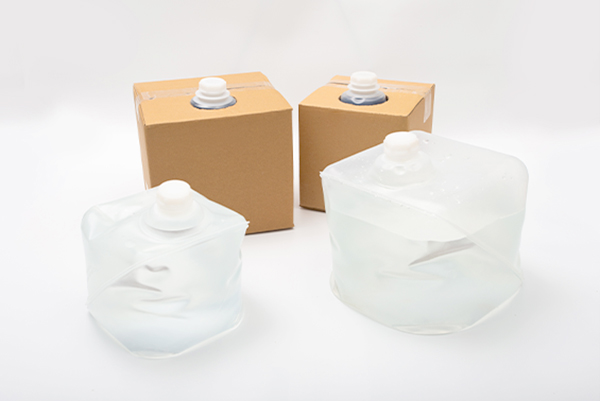
Cubitainer for Soy Sauce and Vinegar
Cubitainer uses a pure LDPE container body with an HDPE neck and cap. Its thicker, more structured body can be considered when the filling and packing operation benefits from an inner container that retains more shape before it is placed in the carton.
For soy sauce packaging or vinegar packaging, Cubitainer can be reviewed with a screw cap for pouring and transfer or with a plastic tap for controlled, repeated dispensing. The final closure and carton opening must be matched to the actual operating method.
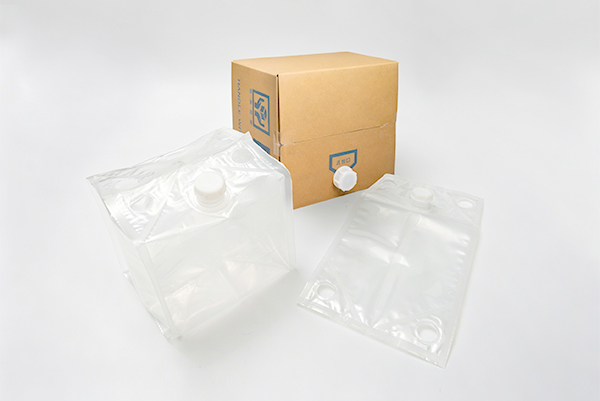
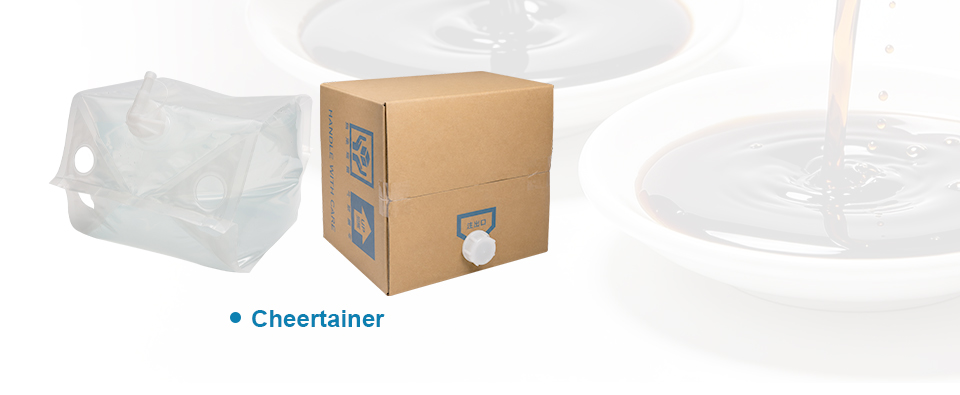
Cheertainer for Soy Sauce and Vinegar
Cheertainer is a form-fit flexible package with a PE inner layer, a PA and PE outer structure, and an HDPE neck and cap. It is designed to work closely with a supporting carton and takes up less space in empty-pack storage than a more structured container.
Cheertainer can be considered for projects that prioritize a lighter flexible format, carton-supported handling, and convenient dispensing. Film structure, fitment, carton design, and filling conditions still need project-specific confirmation.
Practical Comparison
| Review Point | Cubitainer | Cheertainer |
|---|---|---|
| Container behavior | More structured LDPE body | Flexible, form-fit construction |
| Confirmed material structure | Pure LDPE body; HDPE neck and cap | PE inner layer; PA and PE outer structure; HDPE neck and cap |
| Available project sizes | 5L, 10L, 18L and 20L | 5L, 10L, 18L and 20L |
| Dispensing options | Screw cap or plastic tap | Screw cap or plastic tap |
| Empty-pack handling | More structured before filling | Lighter and more compact before filling |
| Best reviewed for | Projects preferring a structured inner container | Projects preferring a flexible carton-supported package |
For a broader format-level decision, see Cubitainer vs Cheertainer.
5L, 10L, 18L and 20L Soy Sauce and Vinegar Packaging
LIQPACK offers 5L, 10L, 18L and 20L formats for commercial vinegar and bulk soy sauce packaging projects. Capacity is normally specified by the buyer according to the established filling volume, distribution model, and handling practice. The eight relevant product options are:
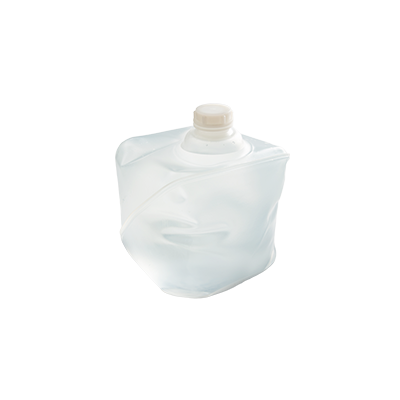
A structured LDPE container option for soy sauce or vinegar projects specified at a 5L filling volume.
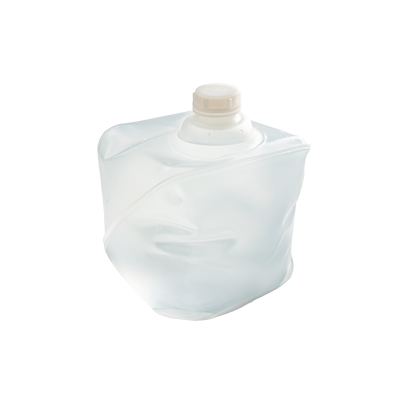
A structured LDPE container option for 10L projects requiring a matched carton and either pouring or controlled dispensing.
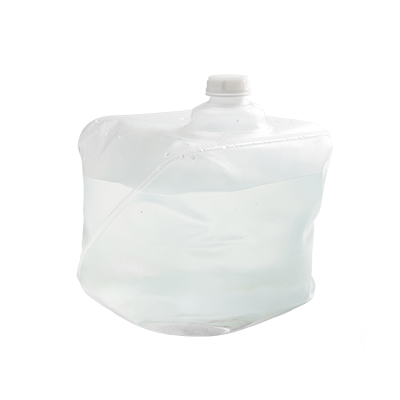
A structured LDPE container option for projects using an 18L filling specification with a matched outer carton.
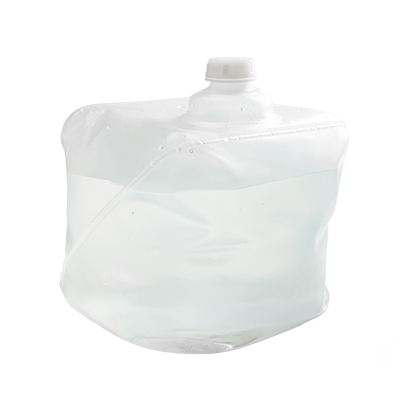
A higher-volume structured container for projects that use 20L units in commercial distribution or production supply.
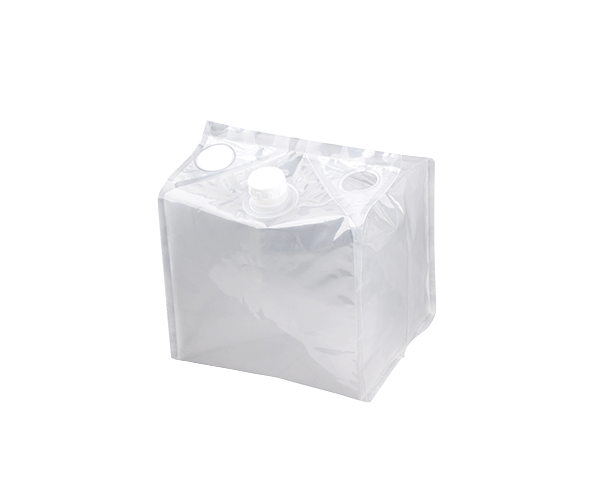
A 5L form-fit flexible option designed to work with a supporting carton and a project-matched closure.
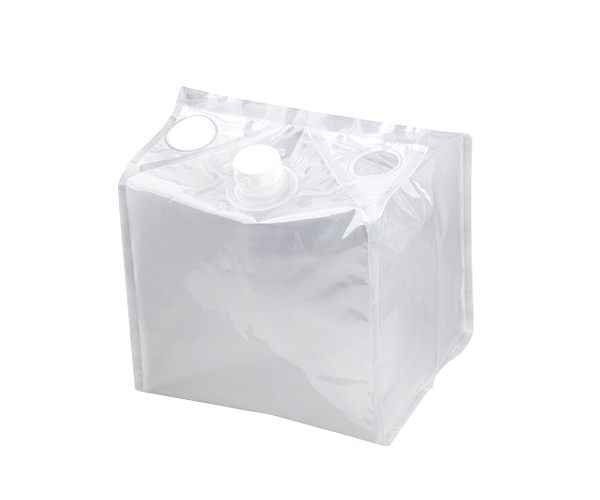
A 10L form-fit flexible option designed to operate with a supporting carton and a project-matched closure.
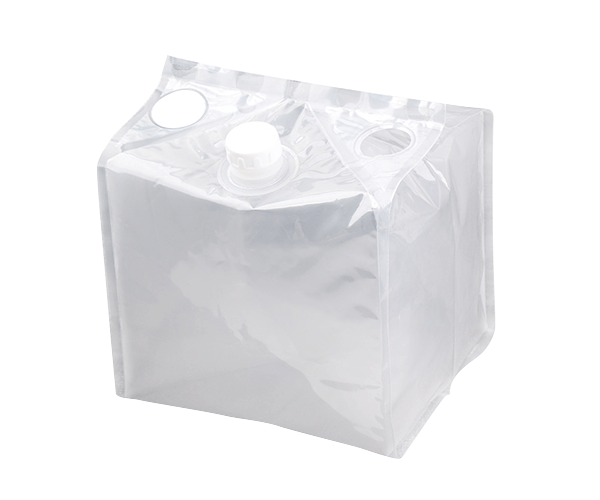
An 18L form-fit flexible option for carton-supported soy sauce or vinegar packaging projects.
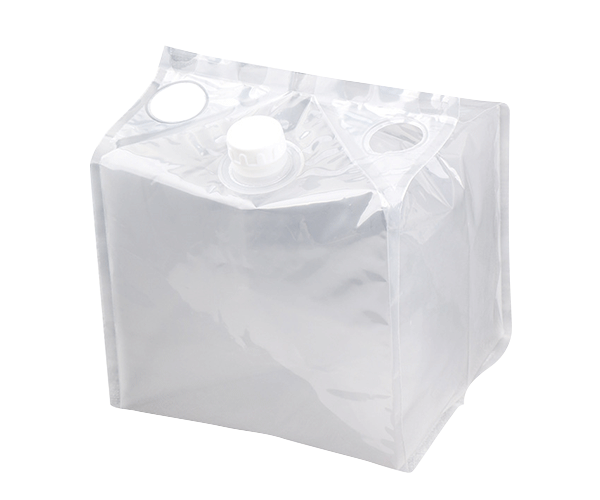
A 20L form-fit option for buyers using carton-supported flexible packaging in larger unit volumes.
The size page confirms the container format; compatibility with the actual soy sauce or vinegar still needs to be reviewed using the project conditions.
Screw Cap or Plastic Tap?
Closure selection affects filling, sealing, carton design, and downstream use. It should be decided at the same time as the container rather than added after the carton has been finalized.
Screw Cap
A screw cap is generally considered when the package will be opened for pouring or product transfer. Neck size, cap specification, sealing method, and opening procedure should be confirmed with the filling setup and end-use process.
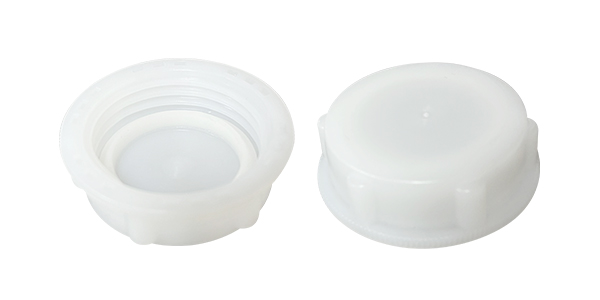
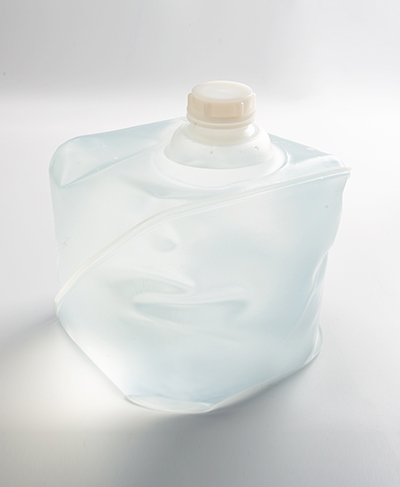
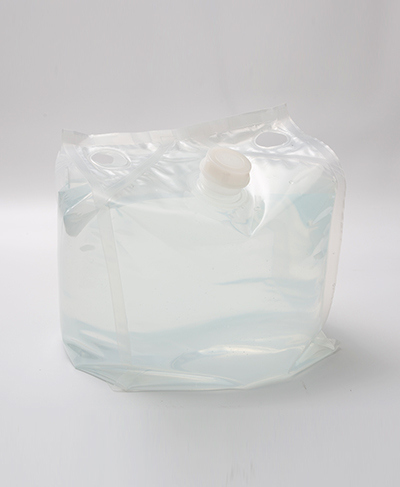
Cubitainer with screw cap
Cheertainer with screw cap
Plastic Tap
A plastic tap is useful when soy sauce or vinegar will be dispensed repeatedly over time. Tap selection should take account of the liquid’s flow behavior, fitment size, carton orientation, access opening, and the position in which the package will be used.
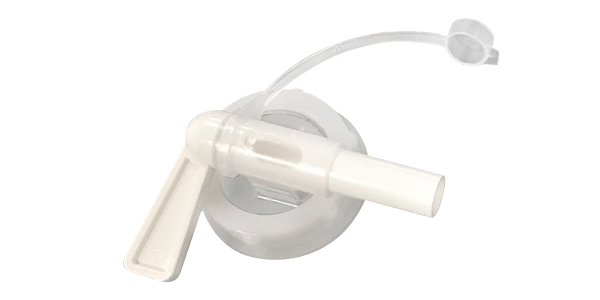
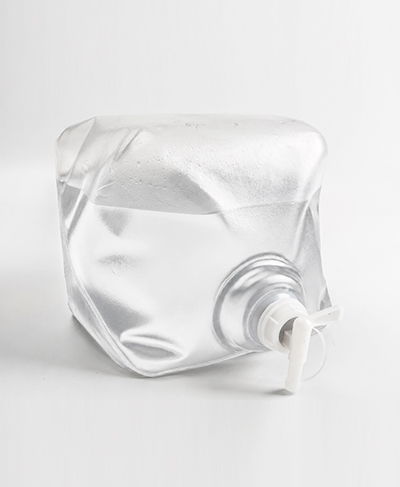
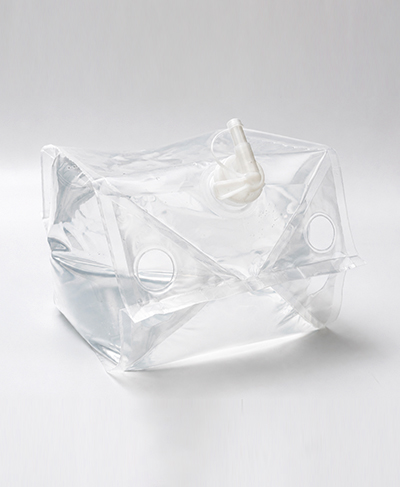
Cubitainer with Plastic Tap
Cheertainer with Plastic Tap
Neither option is automatically correct for every project. The preferred dispensing method and the actual liquid should guide the decision.
Treat the Container and Carton as One System
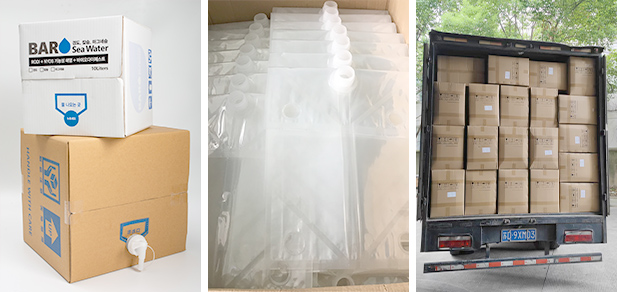
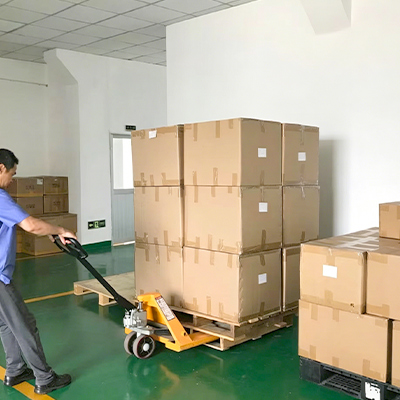
The outer carton is part of the functional package. It supports the filled container during stacking, warehouse handling, shipping, and dispensing. For that reason, the carton should be developed around the selected container and closure.
Points to confirm include:
- Internal carton dimensions and container fit
- Board strength for the intended packed weight and distribution route
- Neck or tap position and the dispensing opening
- Carton orientation during filling, storage, and use
- Printing, identification, and handling marks
- Pallet layout and export packing method
If the buyer already has a carton or filling line, drawings, photos, and operating details should be provided during the review. A nominally correct capacity does not by itself confirm that the package will fit an existing line or carton.
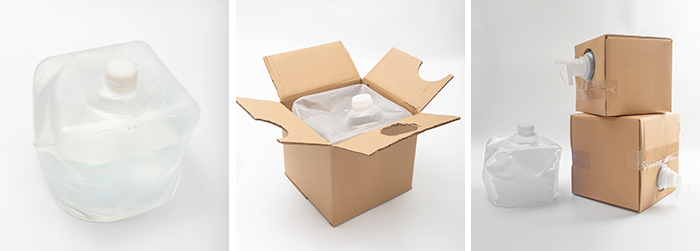
Cubitainer with carton
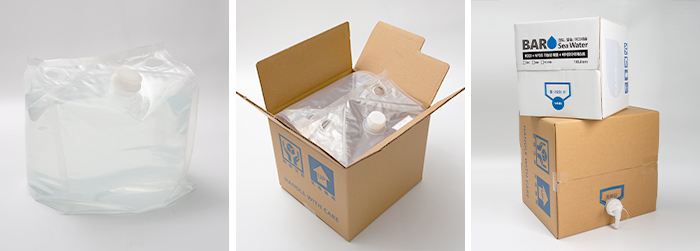
Cheertainer with carton

Stable stacking during transport
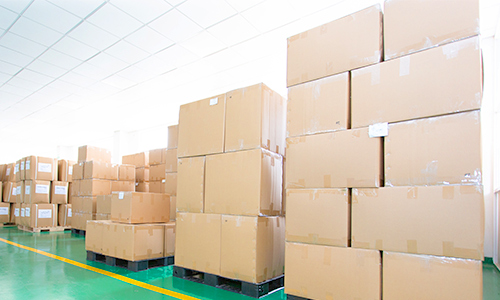
Efficient warehouse storage
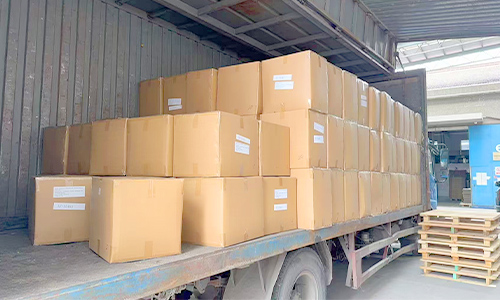
Protection during logistics
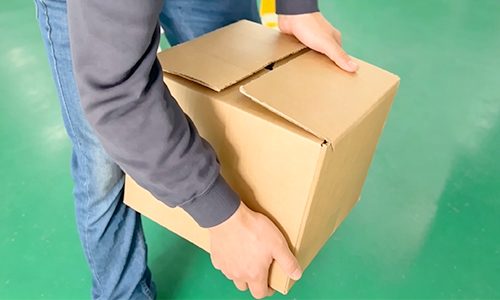
Easier handling in commercial or industrial use
From Project Information to Final Specification
A useful packaging review should lead to a defined purchasing specification, not only a general product recommendation. LIQPACK reviews the supplied application information and identifies the relevant container size, structure, closure, and carton arrangement. Where appropriate, samples can be discussed for fit, filling, handling, and dispensing checks under the buyer’s actual conditions.
Before placing a production order, both parties should confirm:
- Container model and nominal volume
- Neck, cap, or tap specification
- Outer carton dimensions and printing requirements
- Packing quantity and export packing arrangement
- Required samples or pre-production checks
- Destination and required supporting documents
- Order quantity and requested delivery schedule
Material suitability, filling performance, and storage expectations should be confirmed for the actual formula and process. No universal compatibility or shelf-life conclusion should be based on the words “soy sauce” or “vinegar” alone.
Frequently Asked Questions
What is a 20L Cheertainer used for?
Both formats can be considered for selected projects. Cubitainer has a more structured LDPE body, while Cheertainer has a flexible form-fit construction. The final choice depends on the formula, filling process, carton system, transport conditions, and dispensing method.
What sizes are available for vinegar packaging?
LIQPACK offers 5L, 10L, 18L and 20L Cubitainer and Cheertainer formats for this application. The required capacity should match the buyer’s existing filling and distribution plan.
Which closure is better for repeated dispensing?
A plastic tap is generally the more relevant option for repeated dispensing and flow control. A screw cap may be preferred for pouring or transfer. Fitment size, carton position, liquid flow, and operating method must still be checked.
Can the same package be used for every soy sauce or vinegar formula?
Not without review. Relevant formulation details, concentration, filling temperature, storage period, transport conditions, and market requirements can differ. The actual product and process should be evaluated before the specification is confirmed.
Can the outer carton be matched to the container and tap position?
Yes. Carton dimensions, board requirements, dispensing opening, printing, pallet arrangement, and export packing can be discussed as part of the project. Existing carton or filling-line details should be supplied when the new package must fit current equipment.
What information is needed for a quotation?
Please provide the product type, required volume, filling temperature and method, preferred closure, expected order quantity, carton and printing requirements, destination country, and requested delivery schedule. Additional formulation or handling information may be requested before a final recommendation.
Discuss Your Soy Sauce Packaging or Vinegar Project
For a soy sauce packaging or vinegar packaging review, send LIQPACK your product details, required capacity, filling conditions, preferred dispensing method, carton needs, destination market, and estimated order quantity. We will review the relevant 5L, 10L, 18L or 20L Cubitainer or Cheertainer configuration and identify the information still needed before specification and quotation.