When it comes to portable hydration, disaster preparedness, camping, or industrial liquid storage, choosing the right water container isn’t as simple as grabbing the first one you find. Water containers come in several formats—semi-collapsible, fully collapsible, and rigid—and each type has distinct advantages and drawbacks. Your intended use, storage environment, financial constraints, and durability needs will all influence your decision.
This article provides a detailed comparison of the three main types of water containers, breaking down their features, strengths, weaknesses, and best-use scenarios. You’ll have enough knowledge by the end to make an informed decision.
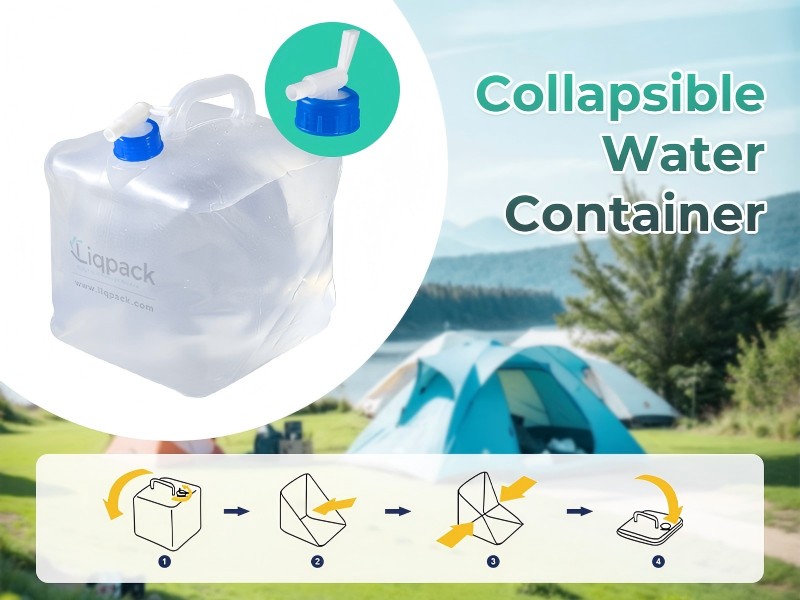
Understanding the Three Types of Containers
Semi-Collapsible Water Containers
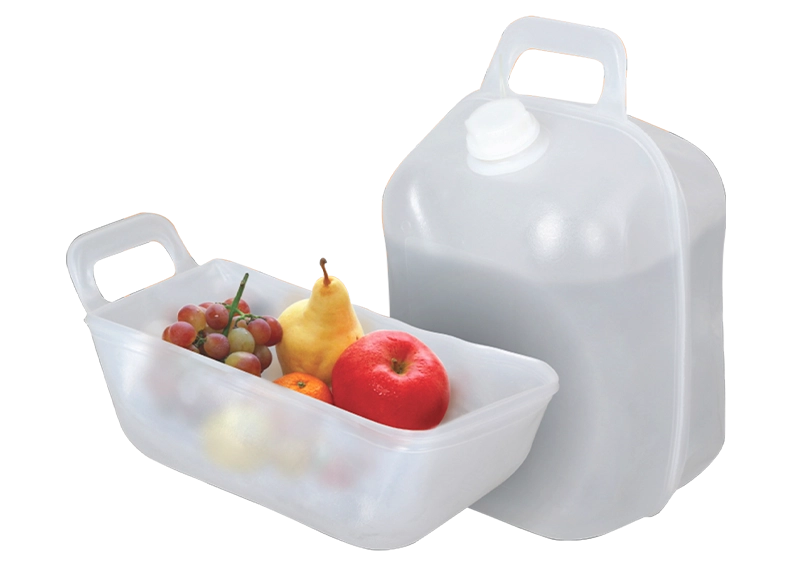
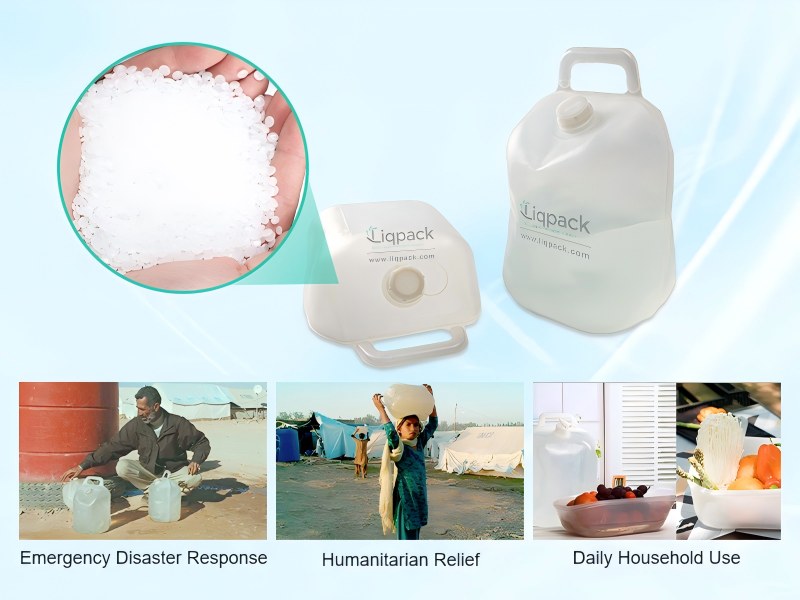
Semi-collapsible containers combine elements of flexible and rigid design. Typically made from LDPE (low-density polyethylene), they can expand when filled and contract as liquid is dispensed. However, they retain enough structure to remain freestanding, unlike fully collapsible options.
Key Traits:
- Made from flexible but durable plastic.
- It can be folded when empty, though not as compact as fully collapsible designs.
- Often used for field operations, camping, or military purposes.
Completely Detachable Water Containers
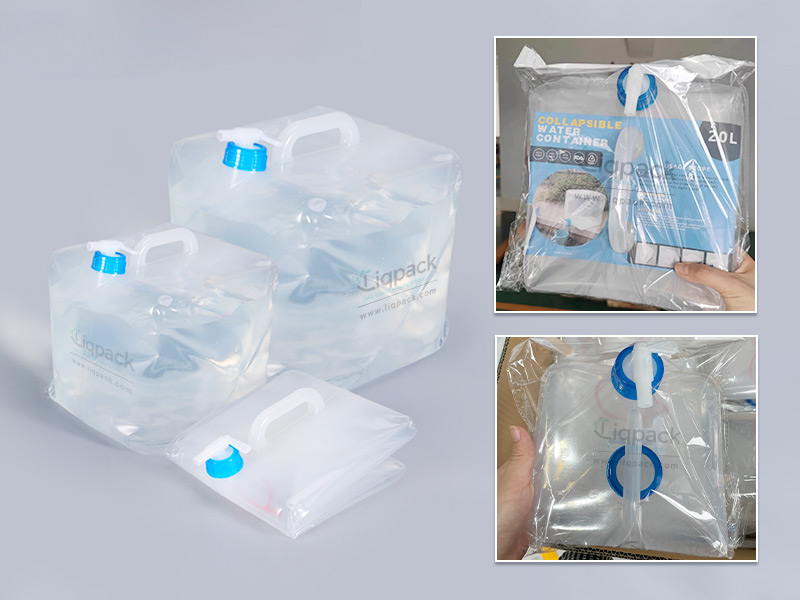
Containers that are fully collapsible are made to be as portable and space-efficient as possible. They take up very little room in a backpack, emergency kit, or storage space when empty because they fold flat or roll up.
Key Traits:
- Usually made from TPU, PVC, or advanced multilayer films.
- Lightweight and compact when empty.
- Popular among backpackers, travelers, and emergency preparedness enthusiasts.
Rigid Water Containers
Rigid containers are the traditional choice: sturdy jugs, canisters, or drums that hold their shape whether empty or full. They are often used in households, vehicles, and long-term water storage facilities.
Key Traits:
- Constructed from HDPE or other high-strength plastics.
- Cannot be folded or compressed when empty.
- Built to withstand repeated use, impacts, and harsh environments.
Durability and Lifespan
- Semi-Collapsible: Offers good balance. LDPE material resists cracking and punctures while allowing some flexibility. Typically last for many refill cycles if used properly.
- Fully Collapsible: Less durable due to thinner materials. Prone to punctures or leaks if placed on sharp surfaces. Best for short-term or light-duty use.
- Rigid: Extremely durable. Thick plastic walls make them resistant to drops, abrasion, and long-term storage stress. Can last years with proper care.
Storage Efficiency
- Semi-Collapsible: Collapse moderately when empty, saving some space but still bulkier than fully collapsible types.
- Fully Collapsible: Collapse completely flat or roll up, saving the most space. Perfect for tight storage situations.
- Rigid: Take up the same amount of space regardless of whether full or empty, making them less efficient for storage.
Ease of Use
- Semi-Collapsible: Stand upright when filled, making pouring and dispensing easy. Their structure prevents sloshing.
- Fully Collapsible: Often floppy when filled, requiring two hands or external support to pour. Some come with spouts to improve usability.
- Rigid: Always freestanding, with built-in handles for carrying and pouring. Very easy to use.
Portability
- Semi-Collapsible: Fairly portable. When empty, they can be folded or compressed, making them more convenient than rigid designs.
- Fully Collapsible: Extremely portable. Lightweight, compact, and ideal for travel or backpacking.
- Rigid: Heavier and bulky. Not practical to carry long distances unless built into vehicles or fixed setups.
Cost Considerations
- Semi-Collapsible: Mid-range in cost. More affordable than rigid drums but usually more expensive than ultralight collapsible pouches.
- Fully Collapsible: Often the cheapest option, especially for single-use or emergency kits.
- Rigid: Highest upfront cost due to material strength and durability. However, because they endure longer, the cost per usage may be reduced over time.
Safety and Hygiene
- Semi-Collapsible: Made from food-grade LDPE, they are safe for potable water. Their structure minimizes air exposure when dispensing, reducing bacterial growth.
- Fully Collapsible: Safe if made from certified TPU or food-grade films. However, cleaning can be difficult, and residues may linger.
- Rigid: Easiest to clean thoroughly. Wide openings allow scrubbing, and thick walls resist scratches that harbor bacteria.

Applications and Best Uses
Semi-Collapsible Containers:
- Camping trips where space is limited but ease of use is important.
- Military or field operations require portable but reliable hydration systems.
- Outdoor expeditions where repeated filling and dispensing are necessary.
Fully Collapsible Containers:
- Backpacking and hiking, where every ounce and inch of space matters.
- Emergency kits and disaster preparedness supplies.
- Air travel or long road trips require compact hydration solutions.
Rigid Containers:
- Long-term household water storage.
- Industrial or agricultural use where large volumes are needed.
- Vehicle-based operations (RVs, boats, off-road expeditions) where bulk and weight are manageable.
Comparative Table
| Feature | Semi-Collapsible | Fully Collapsible | Rigid Containers |
| Durability | Moderate, reusable | Low, puncture-prone | High, long-lasting |
| Storage Efficiency | Medium, partly collapsible | Excellent, folds completely | Poor, always bulky |
| Ease of Use | Good, freestanding | Moderate, often floppy | Excellent, stable & sturdy |
| Portability | Fair, foldable when empty | Excellent, lightweight | Poor, heavy and bulky |
| Cost | Mid-range | Low initial cost | Higher upfront cost |
| Hygiene | Good, harder to clean | Moderate, hard to scrub | Excellent, easy to sanitize |
| Best Use | Camping, fieldwork | Hiking, emergencies | Household, industrial, RVs |
Pros and Cons at a Glance
| Pros | Cons | |
| Semi-Collapsible
|
Balance of durability and portability.
Retain shape when filled. Reusable multiple times. |
Bulkier than fully collapsible.
Cleaning can be tricky. |
| Fully Collapsible | Ultra-light and compact.
Ideal for travel and emergencies. Inexpensive upfront cost. |
Prone to damage and leaks.
Less stable during dispensing. Hard to clean and sanitize. |
| Rigid | Extremely durable.
Easy to clean and sanitize. Freestanding and user-friendly. |
Heavy and bulky.
Takes up permanent storage space. Higher upfront cost. |
How to Decide Which Is Right for You
For Travel and Emergency Kits
Choose fully collapsible water containers. They weigh nearly nothing when filled, fold flat, and are convenient to store.
For Regular Outdoor Adventures
Go with semi-collapsible containers. They strike a balance between durability, portability, and ease of use.
For Long-Term or Industrial Use
Invest in rigid containers. Their durability and hygiene advantages make them the clear winner for household storage, vehicles, or commercial purposes.
For daily living, travel, and disaster readiness, water storage and portability are essential. Each type of container—semi-collapsible, fully collapsible, and rigid—serves a unique role. Fully collapsible containers shine in portability and compactness, semi-collapsible containers offer balance and versatility, while rigid containers deliver durability and long-term reliability.
Your priorities—whether they be affordability, durability, convenience of use, or space efficiency—will ultimately determine which option is best for you. By matching your specific needs with the strengths of each container type, you can ensure safe, reliable, and convenient hydration whenever and wherever you need it.