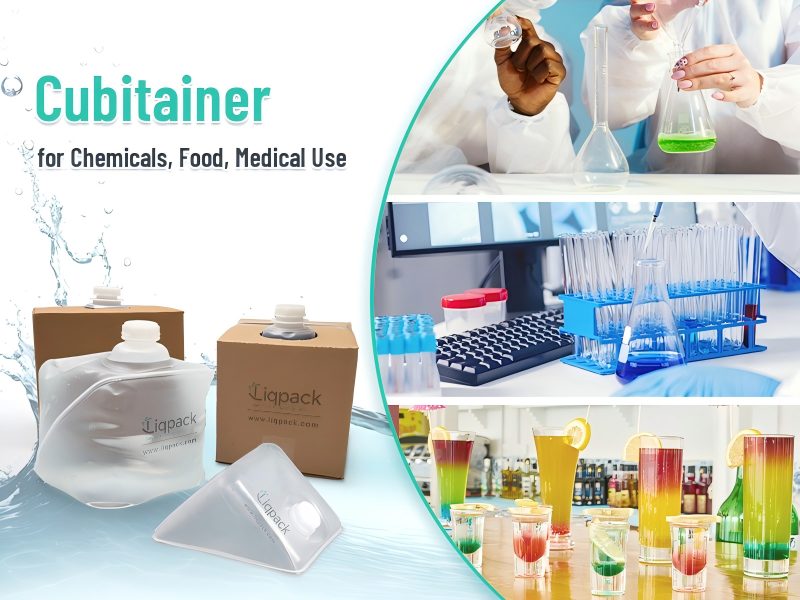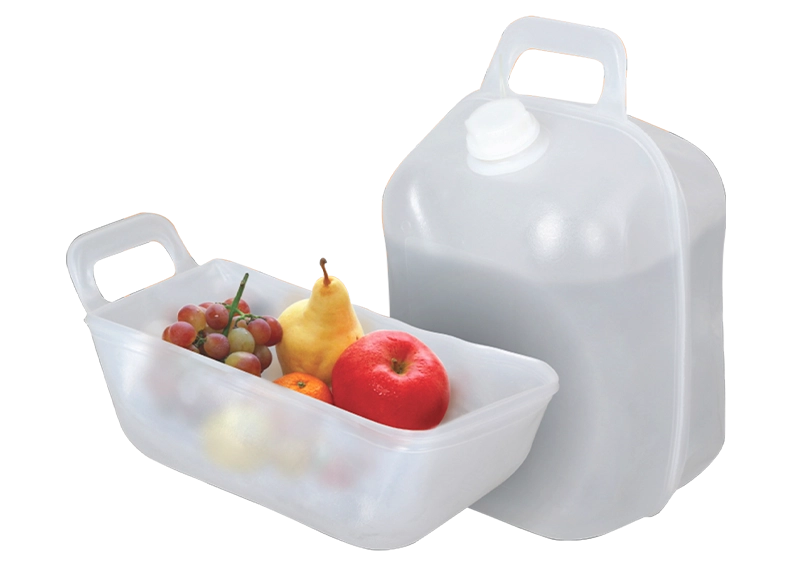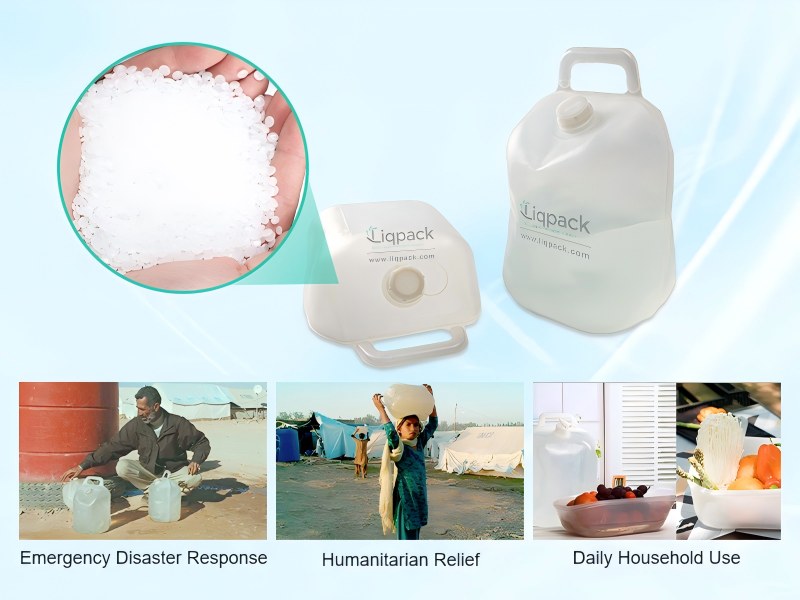
Cubitainers—collapsible, cube-shaped liquid packaging containers made from low-density polyethylene (LDPE)—are widely used in industries ranging from food and beverage to chemicals, pharmaceuticals, and laboratory supplies. Their unique design allows them to collapse as they empty, reducing waste, preventing oxidation, and saving storage space. While the cubitainer itself is the foundation, its accessories—caps, spouts, and liners—play a critical role in usability, safety, and functionality.
This article explores the essential cubitainer accessories, their types, features, and how they enhance the overall performance of cubitainer systems.
The Role of Accessories in Cubitainer Systems
Cubitainers are versatile by design, but without proper accessories, their functionality is limited. Accessories serve multiple roles:
- Preserve product quality by sealing tightly and preventing contamination.
- Ensure safe dispensing through controlled spouts or valves.
- Support compatibility with filling equipment or end-user applications.
- Improve hygiene and cleanliness via liners that prevent residue buildup.
- Enhance transport and storage with leak-proof closures.
Understanding each accessory type allows manufacturers, distributors, and end-users to maximize the cubitainer’s potential.
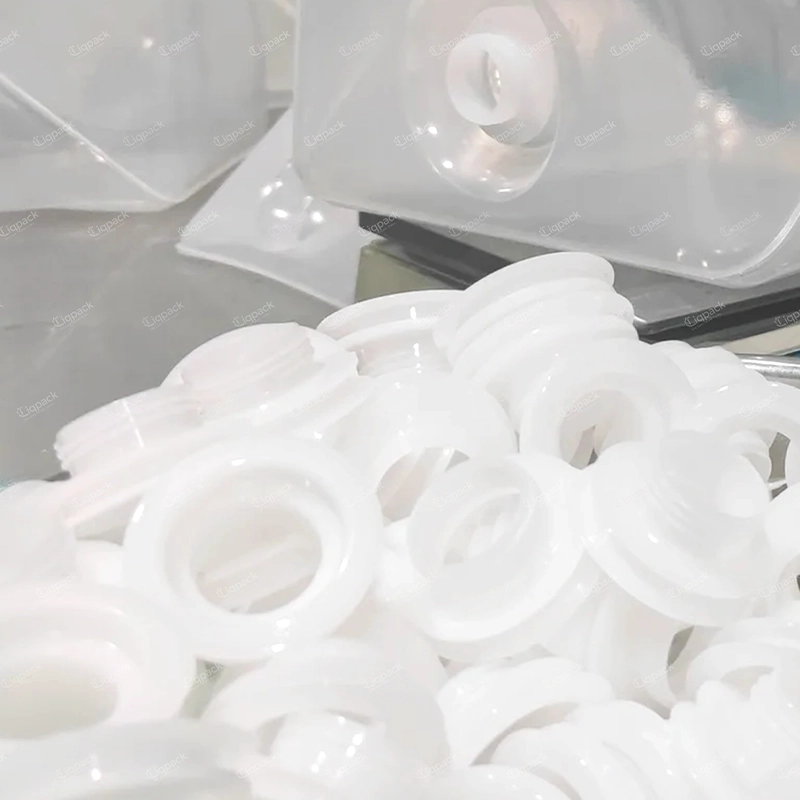
Caps for Cubitainers: Secure Closure and Protection
Purpose of Caps
Caps are the first line of defense against leaks, spills, and contamination. They keep the contents secure, whether during storage, shipping, or dispensing.
Types of Caps
Screw Caps
The most common style is available in various diameters (38mm, 45mm, 63mm). They create a reliable seal with threads that match the cubitainer’s neck finish.
Tamper-Evident Caps
Designed with breakaway bands or shrink seals to show if a container has been opened. Ideal for pharmaceuticals, beverages, and high-value chemicals.
Vented Caps
Allow air exchange to prevent paneling or bloating caused by gas buildup. Useful for products like chemicals or syrups that release gases.
Child-Resistant Caps (CRC)
Equipped with push-and-turn mechanisms to protect against accidental ingestion. Common in pharmaceuticals and hazardous chemical packaging.
Materials and Specifications
- Polypropylene (PP): Lightweight, chemical-resistant, commonly used.
- High-Density Polyethylene (HDPE): Excellent durability and chemical compatibility.
- Silicone or Rubber Gaskets: For leak-proof performance in high-pressure or sensitive applications.
Benefits
- Maintain airtight sealing.
- Prevent leaks during transit.
- Ensure regulatory compliance in sensitive industries.
- Extend product shelf life by blocking air and moisture.
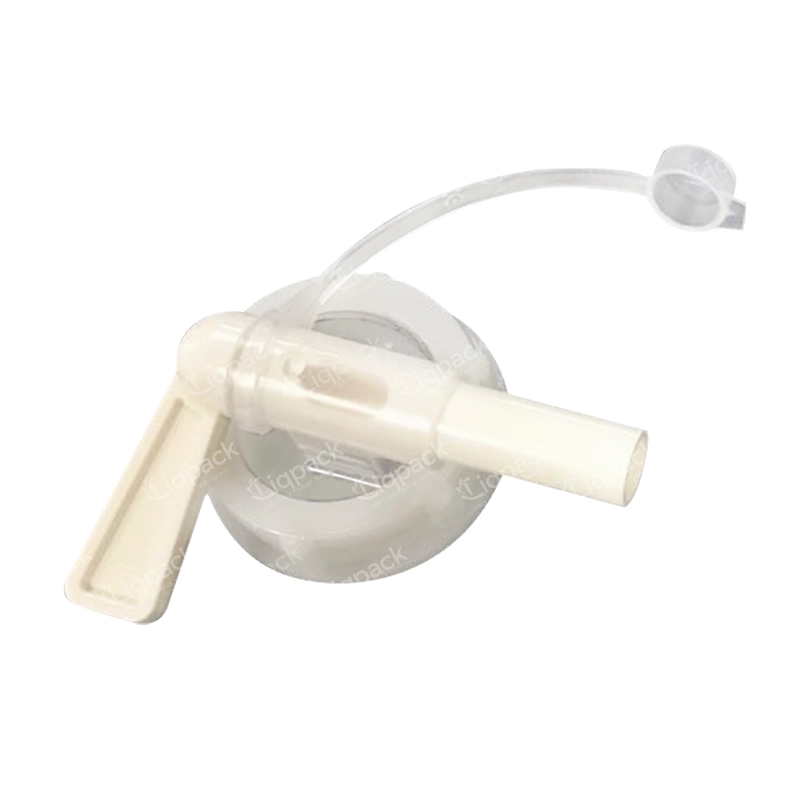
Spouts: Controlled Dispensing and Convenience
Why Spouts Matter
Without a dispensing system, pouring directly from a cubitainer can be messy and imprecise. Spouts allow controlled flow, minimize waste, and improve user experience.
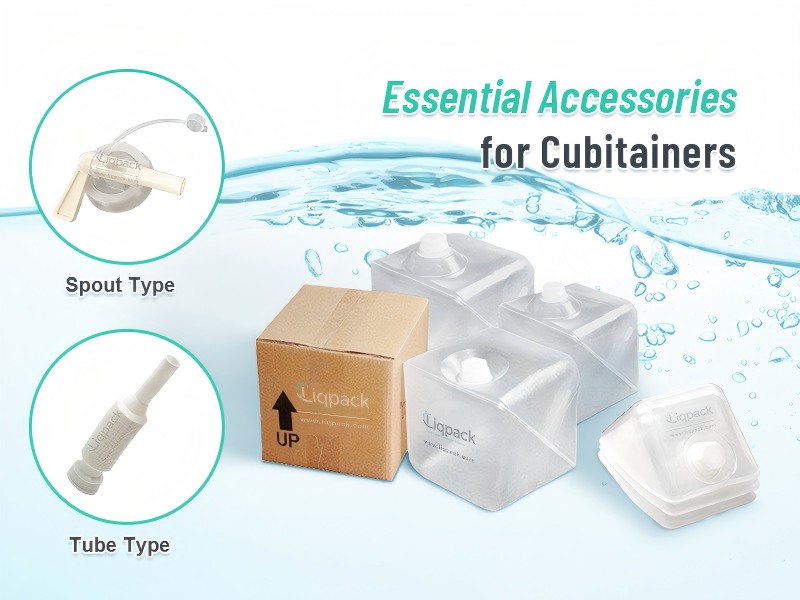
Common Types of Spouts
Fixed Spouts
Integrated directly into the cap, providing simple, cost-effective dispensing.
Flexible Spouts (Nozzles)
Extend outward and can be angled, allowing precise pouring into smaller containers.
Push-Pull Spouts
Popular for beverages and liquid concentrates, these allow flow control with a simple pull to open and push to close.
Taps and Faucets
Ideal for bulk dispensing, especially in foodservice or laboratories. They allow one-handed operation and drip-free flow.
Threaded Spouts with Adapters
Designed to connect with hoses, pumps, or filtration systems. Used in industrial and chemical applications.
Design Features
- Flow Control: Narrow spouts for precision, wide spouts for bulk liquids.
- Ergonomics: Smooth grip and easy handling reduce spillage.
- Compatibility: Must match cubitainer neck sizes and cap fittings.
Benefits
- Reduce product waste.
- Enhance safety by preventing spills.
- Improve efficiency in commercial or laboratory workflows.
- Enable versatile applications (drinking, chemical dosing, cleaning).
Liners: Hygiene, Protection, and Extended Life
Role of Liners
Liners act as an inner barrier, providing additional protection between the product and the container wall. They are particularly important for sensitive or high-value contents.
Types of Liners
Single-Layer Polyethylene Liners
Standard option, suitable for food, water, and general-purpose storage.
Multi-Layer Barrier Liners
Include layers of nylon, EVOH (ethylene-vinyl alcohol), or aluminum for added protection against oxygen, light, and chemical permeation.
Pre-Sterilized Liners
Used in pharmaceuticals, biotechnology, and medical fields to ensure sterile environments.
Anti-Static Liners
Prevent electrostatic discharge in industries handling flammable or sensitive chemicals.
Benefits of Liners
- Protects against contamination and oxidation.
- Prevents residue buildup, reducing cleaning requirements.
- Extends the cubitainer’s lifespan by shielding inner surfaces.
- Enables safe reuse of outer cubitainer shells with replaceable liners.
How Accessories Enhance Cubitainer Usability
Improved Safety
- Caps prevent leaks during transport.
- Spouts ensure precise dispensing, avoiding accidents.
- Liners protect sensitive materials from exposure and contamination.
Increased Efficiency
- Spouts allow fast transfer without wastage.
- Vented caps make dispensing smoother by preventing vacuum effects.
- Liners reduce downtime by minimizing cleaning requirements.
Greater Versatility
- Accessories adapt cubitainers to food, chemical, cosmetic, and pharmaceutical uses.
- Specialized closures (CRC, tamper-evident) meet regulatory demands.
- Modular caps and spouts expand cubitainer applications across industries.
Industry Applications of Cubitainer Accessories
Food and Beverage
- Tamper-evident caps protect consumer trust.
- Spouts enable clean dispensing of syrups, oils, and beverages.
- Liners maintain freshness and flavor by blocking oxygen and light.
Pharmaceuticals
- Child-resistant caps ensure safety.
- Sterile liners preserve the purity of medical solutions.
- Precision spouts allow accurate dosing.
Chemical Industry
- Vented caps prevent bloating or collapse from reactive chemicals.
- Anti-static liners improve safety in volatile environments.
- Faucet spouts provide controlled handling of bulk solutions.
Laboratory Use
- Easy-pour spouts reduce sample loss.
- Replaceable liners simplify compliance with hygiene protocols.
- Tight-seal caps maintain reagent stability.
Selecting the Right Accessories
When choosing caps, spouts, and liners, consider:
- Compatibility: Ensure neck size, thread type, and liner material match your cubitainer.
- Regulatory Standards: Food-grade, pharmaceutical-grade, or hazardous chemical certifications.
- Application Needs: Bulk dispensing vs precision dosing.
- Durability: Resistance to UV, chemicals, or repeated handling.
- Ease of Use: Ergonomic spout designs and easy-to-clean liners.
Accessory Maintenance and Best Practices
- Regular Inspection: Check caps and spouts for cracks, wear, or leaks.
- Cleaning: Sanitize spouts and replace liners between uses.
- Proper Storage: Keep accessories in sterile, dust-free environments.
- Replacement Schedule: Use fresh liners for every batch or sensitive material.
- Labeling: Mark caps or spouts with color codes for different liquids.
Advantages of Using Accessory Systems
| Accessory | Primary Function | Key Benefit |
| Caps | Seal and protect contents | Leak-proof transport & storage |
| Spouts | Control dispensing | Precision and convenience |
| Liners | Provide an inner barrier | Hygiene and product preservation |
By combining all three, cubitainers transform from basic containers into specialized packaging solutions.
The Future of Cubitainer Accessories
Innovation continues to improve usability and sustainability:
- Biodegradable caps and liners made from plant-based plastics.
- Smart caps with QR codes or RFID for inventory tracking.
- Anti-drip spouts are designed for zero-waste applications.
- Advanced liners with nanotechnology to further block oxygen and extend shelf life.
These improvements aim to make cubitainers more eco-friendly, efficient, and aligned with modern supply chain needs.
Although Cubitainers can be used in a variety of ways, the correct attachments are necessary to fully realize their potential. Caps provide security, spouts add precision and ease of dispensing, and liners preserve hygiene and product quality. When combined, they improve usefulness in a variety of sectors, including chemicals, medicines, and food and beverage.