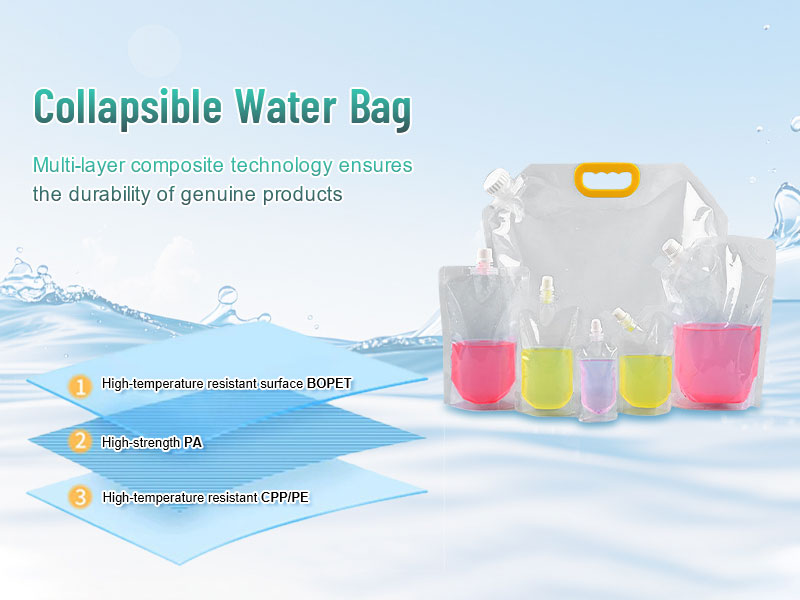
Collapsible water bags have become essential companions for hikers, travelers, emergency-preparedness enthusiasts, and outdoor workers. Their lightweight design, space-saving portability, and ability to fold flat when empty make them the go-to solution for hydration on the move. But as convenient as they are, collapsible water bags come with one common challenge: keeping them clean and odor-free.
Because these bags are made from flexible plastics like TPU, PVC, or multilayer films, they can trap odors, harbor bacteria, and develop biofilm if not properly maintained. The good news is that with regular cleaning and smart deodorizing practices, your collapsible water bag can last longer, taste fresher, and remain safe for use.
This article provides comprehensive tips for cleaning and deodorizing collapsible water bags, from everyday maintenance to deep cleaning after long-term storage.
Why Cleaning and Deodorizing Is Essential
Preventing Bacteria and Mold
Water itself is not the issue—it’s the bacteria and microorganisms that thrive in moist, dark environments. Left unchecked, these microbes can form slimy layers inside the bag.
Avoiding Odors and Bad Taste
Odors can come from microbial growth, but also from residual cleaning agents, flavored drinks, or the plastic material itself. These odors can make your water taste unpleasant.
Extending the Bag’s Lifespan
Proper care reduces wear and tear, prevents cracks caused by biofilm buildup, and ensures valves, spouts, and seams stay intact.
Protecting Health
Using a dirty collapsible water bag puts you at risk of consuming harmful bacteria, fungi, or chemicals leaching from neglected residue.
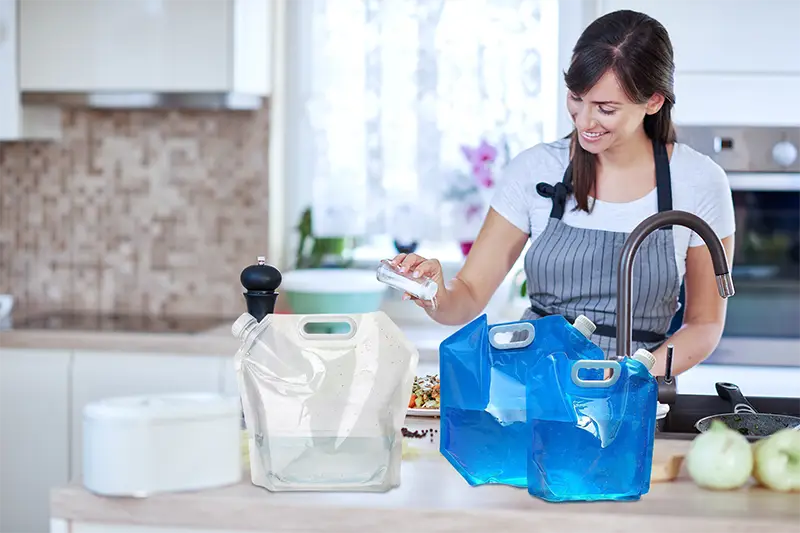
Everyday Cleaning Routine
For daily or frequent use, a simple rinse isn’t enough. Follow these steps:
Empty Immediately After Use
Don’t leave water sitting in the bag for days. Empty it as soon as you’re done.
Warm Water Rinse
Rinse the bag with warm (not hot) water. Avoid boiling water, which can warp plastic.
Mild Soap Solution
Fill the bag halfway with warm water and a few drops of mild dish soap. Shake thoroughly to ensure soap reaches all corners.
Clean the Cap and Spout
Don’t neglect the mouthpiece or spigot. These parts collect biofilm quickly. Detach and scrub if possible.
Rinse Thoroughly
Rinse multiple times to ensure no soap residue remains. Soap traces can cause lingering flavors.
Air Dry Completely
Prop the bag open with a drying rack, clean chopsticks, or a paper towel roll. Ensure it air-dries completely to stop mold from developing.
Deep Cleaning Methods
If your collapsible water bag develops odor, stains, or hasn’t been used in a while, a deeper cleaning is required.
Method 1: Solution of Baking Soda
- Add two tablespoons of baking soda to a liter of warm water.
- Fill the bag completely and shake vigorously.
- Allow it to stand for one to two hours before rinsing completely.
- Benefit: Neutralizes odors naturally without harsh chemicals.
Method 2: Vinegar Rinse
- Mix 1 part white vinegar with 3 parts water.
- Fill the bag, shake, and let sit for 20–30 minutes.
- Rinse thoroughly with fresh water.
- Benefit: Kills bacteria and removes lingering smells.
Method 3: Lemon Juice Soak
- Add ¼ cup lemon juice to 1 liter of water.
- Fill the bag and let sit for 30–60 minutes.
- Rinse completely.
- Benefit: Freshens with a pleasant citrus scent and natural antibacterial properties.
Method 4: Denture Cleaning Tablets
- Drop 1–2 denture cleaning tablets into a full bag of warm water.
- Let it fizz for 30 minutes.
- Rinse until no residue remains.
- Benefit: Effective at removing stains and biofilm buildup.
Special Attention to Mouthpieces and Tubes
If your water bag has a drinking tube or bite valve, these require extra care:
Detach the Tube and Valve
Soak them separately in vinegar-water or denture tablet solution.
Use a Tube Brush
Pipe cleaners or hydration tube brushes scrub the inside effectively.
Give it a thorough flush.
To get rid of all the cleaning agents, run clean water down the tube multiple times.
Dry with Airflow
Hang the tube so air can circulate inside, or use compressed air to speed drying.
Deodorizing Persistent Smells
Sometimes odors linger even after cleaning. Here are targeted solutions:
- Milk Residue Smell (if used for drinks other than water): Use vinegar solution followed by lemon juice rinse.
- Plastic Odor (new bags): Rinse with baking soda solution and leave the bag open to air out for 24–48 hours.
- Musty Odor (long storage): Combine vinegar soak with sunlight drying for a full refresh.
- Soap or Chemical Aftertaste: Rinse repeatedly with warm water and add a lemon juice rinse for freshness.
Drying and Storage Tips
Drying is the most overlooked step—and the most important for avoiding odor and bacteria.
- Hang Upside Down: Let water drain from the opening.
- Use a Bag Hanger or Drying Aid: Some companies sell specialized drying racks for hydration bladders.
- Insert an Airflow Aid: Place clean utensils or plastic spacers to keep the bag open.
- Avoid Damp Storage: Never seal the bag with moisture inside.
- Store in Freezer (Optional): Some users store clean, dry bags in the freezer to prevent microbial growth between uses.
Maintenance Tips for Long-Term Freshness
Dedicated Use
Stick to water only. Using juices, energy drinks, or flavored powders increases the risk of residue, stains, and odors.
Regular Inspections
Check seams, caps, and spouts for mold growth or cracks. Replace parts when needed.
Turn the Bags Around
If you have many bags, alternate how you use them to keep one from deteriorating more quickly.
Replace When Necessary
Even with excellent care, collapsible water bags have a lifespan. If odors persist, seams weaken, or materials degrade, it’s safer to replace them.
Safety Precautions
- Avoid Bleach for Frequent Cleaning: While bleach kills bacteria, it can damage plastic films and leave harmful residues if overused. Reserve for occasional deep sanitization only.
- Don’t Use Boiling Water: It may warp or melt the bag. Warm water is sufficient.
- Rinse Thoroughly After Chemicals: Always flush until the water tastes neutral.
- Check Compatibility: Some cleaning methods (like vinegar or baking soda) may not be recommended by certain manufacturers. Always check care instructions.
Comparing Cleaning Approaches
| Method | Effectiveness | Odor Removal | Ease of Use | Best For |
| Warm Water + Soap | Good | Moderate | Easy | Daily cleaning |
| Baking Soda | Very Good | Excellent | Easy | Odor neutralization |
| Vinegar Solution | Excellent | Very Good | Moderate | Killing bacteria and mold |
| Lemon Juice | Good | Excellent | Easy | Fresh scent, natural cleaning |
| Denture Tablets | Excellent | Excellent | Moderate | Stains, heavy buildup, and long storage |
| Bleach (occasional) | Excellent | Excellent | Caution | Rare sanitization, not regular use |
Troubleshooting Common Problems
- Persistent Odor Despite Cleaning: Try alternating methods (e.g., vinegar then baking soda) and let the bag dry in sunlight.
- Mold Growth in Tubes: Use a tube brush, vinegar soak, and allow full drying. Replace if mold persists.
- Plastic Taste in New Bags: Fill with water and baking soda, let sit overnight, rinse thoroughly.
- Residue After Flavored Drinks: Use denture tablets or a vinegar solution for stubborn residue.
Collapsible water bags are versatile, lightweight, and space-saving, but they require consistent care to remain safe and pleasant to use. A combination of regular rinsing, thorough drying, and occasional deep cleaning ensures your bag stays free of odors and bacteria.
For everyday cleaning, mild soap and warm water are sufficient. Natural deodorizing solutions such as vinegar, baking soda, and lemon juice work quite well. Specialized options like denture tablets provide extra assurance against stains and buildup. And don’t forget—drying completely is the most important step to prevent mold and odors from returning.
By following these deodorizing and cleaning tips, your collapsible water bag will serve you reliably on hikes, trips, or emergency situations—keeping your water fresh and your adventures safe.