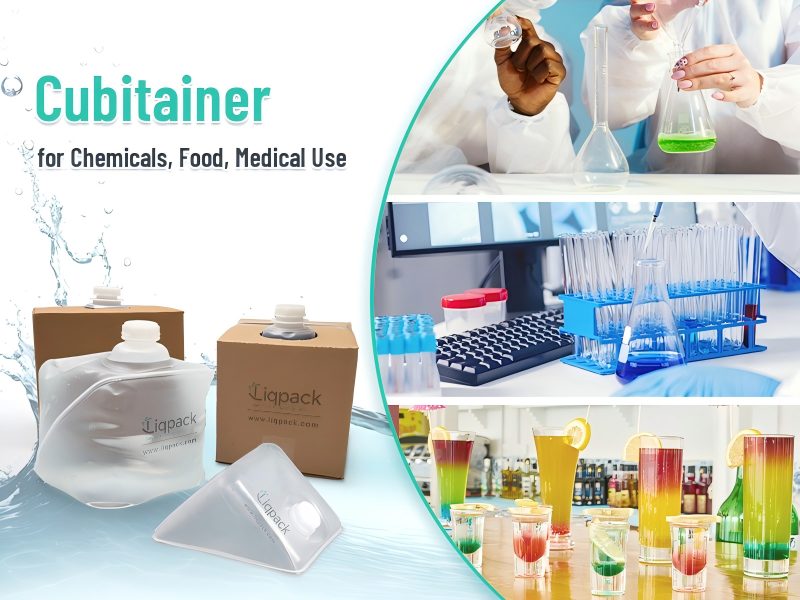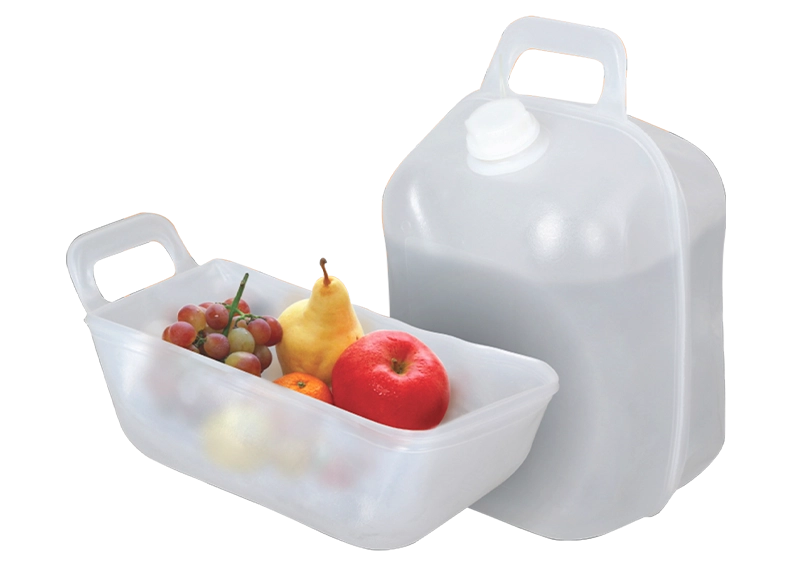
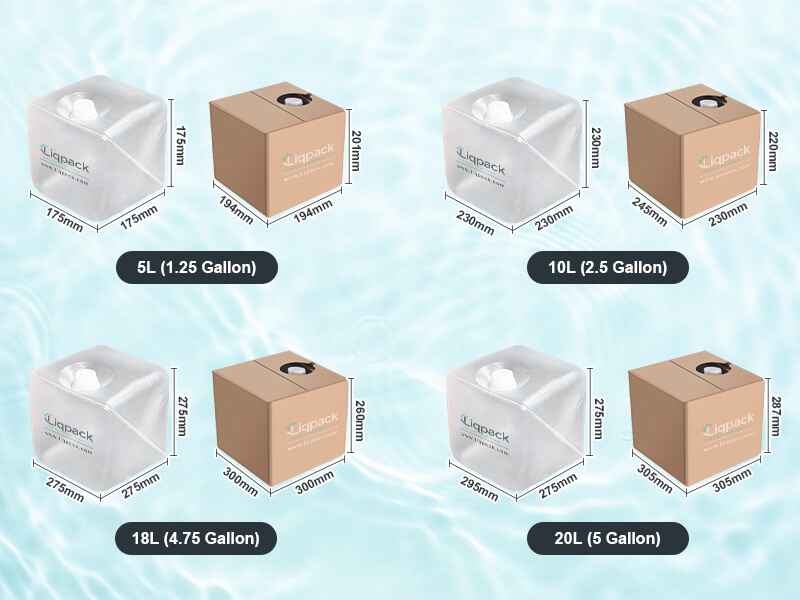
A cubitainer is a multipurpose, foldable container designed to transport and store liquids safely. You can find Cubitainers in sizes from 1 liter up to 20 liters (1 quart to 5 gallons), with standard neck finishes of 38mm or 63mm.
Choosing the right Cubitainer matters. If you work with home care products, chemicals, beverages, or industrial fluids, you will see that most users select 10 to 20-liter Cubitainers for industrial applications.
Smaller sizes, such as 1 to 5 liters, suit household and small-scale commercial needs. The food, beverage, chemical, and pharmaceutical industries rely on Cubitainers for efficient liquid handling. This Complete Guide helps you match your needs to the right Cubitainer solution.
Key Takeaways
- Cubitainers are flexible containers for storing and transporting liquids, available in sizes from 1 liter to 20 liters.
- Choosing the right size matters. Use 10 to 20-liter Cubitainers for industrial needs and 1 to 5-liter sizes for home care products.
- Cubitainers lower shipping costs and conserve space. They may be stored and transported more effectively because of their collapsible form.
- Because they are made of LDPE, which is robust, lightweight, and recyclable, these containers are a sustainable choice.
- Always check the neck finish compatibility with your dispensing system to prevent leaks and ensure efficient use.
Summary
Meaning
You may store and transfer liquids in a dependable and adaptable manner using a cubitainer. According to experts in the packaging industry, a Cubitainer is a foldable container made of low and linear-low-density polyethylene (LDPE and LLDPE). Cubitainers can be used for a variety of things, such as industrial chemicals and beverages. The design is a wise decision for many organizations because it emphasizes sustainability and space efficiency.
Here is a quick look at the main characteristics of Cubitainers:
| Characteristic | Description |
| Material | Made with single low and linear-low density polyethylene (LDPE and LLDPE) |
| Size Range | 1 L/1 quart to 20L/5-gallon |
| Applications | Beverage to industrial chemicals |
| Sustainability | Optimizes recyclability |
You will notice that Cubitainers stand out because they save space and reduce shipping costs. Their lightweight build makes them ideal for remote areas or situations where you need to move liquids efficiently.
Features
Cubitainers offer several features that set them apart from other liquid packaging solutions. You receive a sturdy and lightweight container. The monomaterial construction makes handling easy and supports portability. You can stack Cubitainers, which helps you maximize storage and transport efficiency.
Here are some key features you should know:
- High evacuation rate: You can empty up to 97-100% of the contents, which means less product waste.
- Treatment options: You can choose coatings, fluorination, sterilization, or gamma irradiation to meet specific needs.
- Sustainability: Cubitainers use up to 80% less plastic than traditional containers and help lower carbon emissions.
| Feature | Description |
| Monomaterial and Lightweight | Made from LLDPE and LDPE, making it easy to handle and portable. |
| Durable and Stackable | Despite being lightweight, it is durable and can be stacked for efficient storage and transport. |
| 97-100% Evacuation Rate | Ensures minimal product wastage, maximizing usability. |
| Treatment Options | It can be adapted with coatings, fluorination, sterilization, and gamma irradiation for various needs. |
| Sustainability Benefits | Reduces plastic usage by 80% compared to traditional containers and lowers carbon emissions. |
Tip: If you want a packaging solution that balances durability, efficiency, and sustainability, Cubitainers give you a clear advantage over many alternatives.
Dimensions
Options for Volume
There are several different sizes available when selecting a Cubitainer. These options help you match the container to your specific needs, whether you handle small household quantities or large industrial volumes. The most common Cubitainer sizes range from 1 quart up to 5 gallons (1 liter to 20 liters). Every size has distinct benefits for various uses.
Here is a table that shows the most popular Cubitainer volume options and their typical uses:
| Volume Option | Popularity and Usage Description |
| 10-liter | You will find this size especially versatile. Many industries prefer it because it meets regulatory guidelines and adapts well to various liquid products. |
| 5-gallon | This size works best for low and medium-hazardous solid materials. Food manufacturers also use it, since it meets UN specifications for safety and transport. |
| 2.5-gallon | If you need a Cubitainer with a dust cap cover, this option suits specific dispensing requirements. |
| 1-gallon | You can use this smaller size for less demanding tasks. It does not include a cap, which makes it suitable for applications where you supply your own closure. |
| 1-quart | This is the smallest Cubitainer available. It fits very specialized uses, such as laboratory samples or small-scale dispensing. |
Tip: If you work in an industry that requires compliance and versatility, the 10-liter Cubitainer often provides the best balance between capacity and regulatory standards.
Neck Finishes
Cubitainers come with standard neck finishes that help you connect dispensing systems and closures securely. The neck finish refers to the width and threading of the container opening. You will see two main sizes: 38mm and 63mm. These measurements indicate the diameter of the neck, which affects the type of cap or dispensing pump you can use.
Manufacturers identify neck finishes using a two-digit number for the neck width and a three-digit number for the thread finish, such as 28-410. The fit between the cap and the container matters. If the threading does not engage properly, you risk product waste and customer dissatisfaction. You should also consider cap liners, design variations from different manufacturers, and the conditions under which you apply the cap. These factors all influence how well the dispensing system works.
Note: Always check the compatibility of your Cubitainer neck finish with your chosen dispensing system. A tight fit guarantees effective product use and stops leakage.
Space Efficiency and Stackability
Cubitainers offer significant advantages in space efficiency and stackability compared to rigid containers. The flexible bag-in-box design allows you to store and transport more product in less space. As you use the liquid, the Cubitainer collapses, which reduces empty space and minimizes waste during distribution and storage.
You can stack Cubitainers easily, even when they are filled with liquids. The cubic shape lets you optimize storage and transportation, unlike round rigid containers that create dead space. In fact, Cubitainers can hold five to ten times more product than rigid containers of similar volume. You also achieve an evacuation rate of over 99%, so you use nearly all the contents without leaving residue behind.
If you need to maximize your warehouse or shipping space, Cubitainers give you a clear advantage. Throughout your supply chain, their stackable design and collapsibility help you cut expenses and boost productivity.
💡 Choosing Cubitainers means you use less material for storage and transit, save space, and minimize waste. They provide reliable performance in both large-scale industries and small businesses.
Formats
Material
You will find that Cubitainers use Low-Density Polyethylene (LDPE) as their primary material. LDPE gives you several advantages when you need reliable liquid packaging. The flexibility of LDPE resists tearing and puncturing, so you can trust your Cubitainer to hold up during transport and storage. This material also provides a strong moisture barrier, which helps prevent spoilage and extends the shelf life of your products.
If you want to reduce shipping costs, LDPE’s lightweight nature makes a difference. You can mold LDPE into thin, lightweight films, which means less material and lower carbon emissions. LDPE also offers broad chemical resistance, so you can safely package a wide range of liquids, including chemicals and food products. Many manufacturers choose LDPE because it is cost-effective and easy to process, which minimizes waste during production. Recycling initiatives for LDPE continue to expand, making Cubitainers a smart choice for sustainability.
- LDPE resists tearing and puncturing.
- The material provides a moisture barrier for freshness.
- You benefit from broad chemical resistance.
- Lightweight design lowers shipping costs.
- LDPE is inexpensive and easy to recycle.
Tip: If you need packaging that balances durability, safety, and environmental responsibility, LDPE Cubitainers offer a practical solution.
Design
Cubitainers feature a design that supports both single-use and reusable applications. You can select a Cubitainer for one-time use or choose a reusable option for ongoing needs. The design includes a collapsible structure, which lets you deflate and stack containers easily. This helps you save money and increase productivity by saving space during storage and transportation.
| Feature | Description |
| Lightweight | You can handle Cubitainers with ease due to their LDPE construction. |
| Durable | The rigid build withstands tough conditions. |
| Deflatable and Stackable | You save space by deflating and stacking Cubitainers. |
| High Evacuation Rate | You use nearly all the product, minimizing waste. |
| Recycle-Ready | The single-material design makes recycling simple. |
| Customizable | You can tailor Cubitainers for different uses. |
If you need to transport hazardous materials, Cubitainers meet DOT 4G compliance standards. The packaging carries a UN Rating, which means it is suitable for hazardous goods and follows strict safety regulations. You will see the DOT specification printed on the outside, confirming that your packaging meets legal requirements.
Recent innovations in Cubitainer design focus on sustainability and user experience. Manufacturers are now adopting biodegradable and recycled materials to meet environmental laws. Some Cubitainers include smart sensors and ergonomic features, making them easier to use and track in supply chains.
Note: When you choose a Cubitainer, you get a container that adapts to your needs, supports sustainability, and meets transportation regulations.
Applications
Home Care
You can use Cubitainers for a wide range of home care products. These containers work well for shampoos, conditioners, body soap, hair treatments, lotions, toner, facial cleansers, hand soap, laundry detergents, cleaners, hand sanitizers, dish soap, and disinfectants. The lightweight design makes Cubitainers easy to carry and store in your home. You reduce waste because the collapsible structure lets you use almost every drop of product. You also benefit from easy recycling, which supports a more sustainable lifestyle.
- Shampoos
- Conditioners
- Body Soap
- Hair Treatments
- Lotions
- Toner
- Facial Cleansers
- Hand Soap
- Laundry Detergents
- Cleaners
- Hand Sanitizers
- Dish Soap
- Disinfectants
Cubitainers help you organize your home care supplies and minimize clutter. Their space-saving shape fits neatly in cabinets or closets.
Industrial
Cubitainers play a key role in industrial settings. You find them in chemical storage, waste management, and the ink industry. For the storage and transportation of low to slightly hazardous products, the 5-gallon (20L) Cubitainer is a common choice. You get a durable container made from low-density molded polyethylene, which meets FDA standards for food safety. Additionally, the packaging system conforms to international hazardous material safety regulations. You can trust Cubitainers to keep contents secure during transit and storage.
- Industrial chemicals
- Waste management fluids
- Ink and printing materials
If you need a reliable solution for industrial liquids, Cubitainers offer safety and compliance for your business.
Food & Beverage
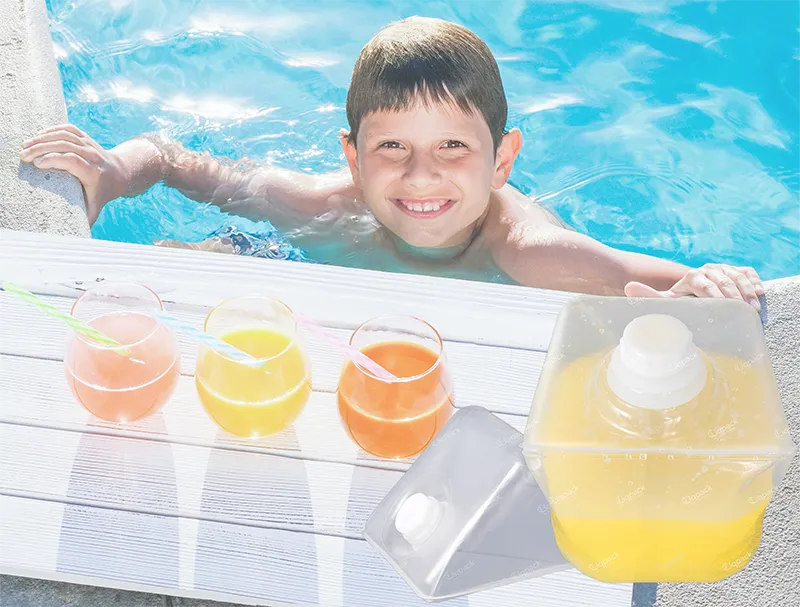
Cubitainers support food and beverage packaging for both consumer and business needs. You can use them for juices, syrups, water, and other liquid foods. Their collapsible structure merges the benefits of rigid bottles with space efficiency. You save on shipping and storage costs because Cubitainers are lightweight and stackable. They are therefore perfect for retail distribution, restaurants, and catering services.
Benefits
Sustainability
You help the environment when you choose Cubitainers. These containers use up to 80% less plastic than traditional open-head plastic pails. The stackable design lets you fit more product in less space. You can use seven times less storage space compared to pails. This means you need fewer trucks for transportation. One truck can carry the same amount that would take seven trucks with pails. At every stage, you cut waste and your carbon footprint.
Cubitainers give you a high product-to-packaging ratio. You use less material and energy, which supports your sustainability goals.
Cost Efficiency
Cubitainers save you money in several ways. Their lightweight build cuts transportation costs. You can stack them to use less storage space. The high product-to-packaging ratio means you move more product with fewer trips. You also use less plastic, which lowers both environmental impact and material costs. When you ship Cubitainers, you often need only one truck instead of seven, which brings big savings.
| Feature | Benefit |
| Lightweight nature | Reduces transportation costs |
| Stackable design | Minimizes storage space requirements |
| High product-to-packaging ratio | More items per transit, fewer trips needed |
| Reduces plastic use by 80% | Less environmental impact and cost savings |
| 1 truck instead of 7 trucks | Significant reduction in shipping costs |
You also get better value compared to other flexible packaging. Cubitainers offer high durability and flexibility. You pay less for shipping because of their lightweight design. You can use them for many types of liquids, which adds to their cost-effectiveness.
Compliance
You meet strict industry standards when you use Cubitainers. These containers hold important certifications. FDA compliance means you can safely store food and beverages. UN ratings, such as 4G/Y16/S, allow you to transport hazardous materials in pharmaceuticals and industrial chemicals.
| Certification Type | Description | Impact on Use in Regulated Industries |
| FDA Compliance | Approved for food-grade product storage | Ensures safety in the food and beverage industries |
| UN Ratings | Certified 4G/Y16/S for hazardous transport | Ensures compliance with hazardous materials transport |
Complete Guide: Selection
Factors
Selecting the right Cubitainer starts with understanding your application. You need to match the container to your product, your process, and your regulatory requirements. This Complete Guide helps you focus on the most important factors.
- Application requirements shape your choice. You must consider the type of liquid, the volume needed, and how you plan to dispense it.
- Different industries need specific materials. For example, corrugated board works well for lightweight solutions. Metal-reinforced cartons provide extra durability. Plastic clamshells offer moisture resistance.
- Valve configurations matter. Drum valves suit heavy chemicals. Luer lock closures work best for precise dosing.
- Inner liner materials protect your product. Metallized films create strong barriers. Nylon resists punctures.
- Capacity needs vary. Food service often uses smaller units. Industrial chemicals require larger systems.
- Each application, such as chemicals, cosmetics, food and beverage, or pharmaceuticals, has unique demands. These demands influence Cubitainer design.
When you handle hazardous materials, you must pay close attention to safety and compliance. You need to check that the Cubitainer material matches your liquid. You also need to make sure your filling equipment works with the packaging.
| Crucial Elements | Description |
| Compatibility of Products | Verify that your industrial fluids and the Cubitainer material are chemically compatible. |
| Filling Requirements | Check your filling equipment and production line for smooth integration with the packaging. |
You should also review regulatory standards. Many Cubitainers meet FDA and UN specifications. These certifications allow you to transport food, pharmaceuticals, and hazardous chemicals safely.
Tip: Always confirm that your Cubitainer meets the legal requirements for your product and region. This step protects your business and your customers.
Customers often ask about Cubitainer features and limitations. Here are answers to some common questions:
| Question | Answer |
| What is CUBITAINER or Bag-In-Box? | It is a cardboard box containing a thin, soft plastic liquid container. |
| Is it eco-friendly? | It uses about 85% less raw plastic than a 20-liter rigid container, reducing waste. |
| Which materials are used in construction? | Polyethylene (PE) serves as the primary material. |
| What is it used for? | You can use it for liquid food, pharmaceutical ingredients, and industrial chemicals. |
| Is it reusable? | Cubitainer is intended to be used only once. |
| Can it hold hot water? | It can hold contents below 70℃. |
| Can it be boiled? | Use water no hotter than 70℃ for sterilization. |
| Can it be frozen? | Freezing is not recommended. |
| How is it packed? | Cubitainer is kept in cardboard boxes of varying sizes and volumes. |
| Are all attachments compatible with every container? | All containers are compatible with screw-type attachments. |
Examples
You can see how Cubitainer selection works in real-world situations. This Complete Guide provides examples from different industries to help you make informed choices.
| Industry/Product Area | Specific Use Case |
| Pharmaceutical | Airtight closure system keeps medications, vaccines, and supplements safe from contamination. |
| Personal and Home Care | Bulk refills of shampoos, detergents, and soaps use various dispensing closures for convenience. |
| Cleaning Agents | Lightweight Cubitainers suit high-volume use in commercial cleaning. |
| Paints and Coatings | Over 99% of contents can be ejected, reducing waste; airtight seals prevent contamination. |
| Agricultural Liquids | Durable construction prevents leaks; lightweight design makes handling easy. |
| Automotive | Lubricants, coolants, and windshield washer fluids are packaged for easy dispensing. |
| Pet Care | Leak-proof Cubitainers keep shampoos and medications secure in grooming salons. |
| Chemical Industry | Bag-in-box Cubitainers meet UN specifications for hazardous liquids. |
| Textile and Dye | Barrier properties protect sensitive liquids from light and air. |
| Food and Beverage | Sauces, syrups, and juices stay fresh; packaging is ready for recycling. |
You may need a Cubitainer for pharmaceutical products. In this case, you should choose a container with an airtight closure to prevent contamination. If you work in home care, you might select a Cubitainer with a dispensing pump for easy refills. For industrial chemicals, you need a Cubitainer that meets UN safety standards and fits your filling equipment.
Note: Use this Complete Guide to compare your needs with these examples. You will find the best Cubitainer when you match your product, process, and safety requirements.
This Comprehensive Guide can help you make wise choices. Start by listing your product’s requirements. Check compatibility, capacity, and regulatory standards. Review examples from your industry. Choose the Cubitainer that fits your needs and supports safe, efficient operations.
| Feature | Description |
| Material | Low-density molded polyethylene for flexibility and strength |
| Cap and Liner | 38 mm white polypropylene cap with foam liner for leak prevention |
| FDA Compliance | Safe for direct contact with food products |
Combination Packaging
Combination packaging gives you a reliable way to protect liquids during shipping and storage. You get a system that pairs a flexible Cubitainer insert with a sturdy outer carton. This approach helps you handle everything from small personal products to large industrial volumes. The Complete Guide shows you how these components work together for safety and efficiency.
Inserts
You will find that Cubitainer inserts use low-density molded polyethylene. This material gives you flexibility and durability. The insert fits snugly inside the carton, which helps prevent leaks and damage. You can choose neck finishes of 38mm or 63mm, so you match the insert to your dispensing needs. Each insert comes with a secure polypropylene cap and a foam liner. This design keeps your product safe from leaks and contamination.
- Inserts protect your liquid during transportation.
- The material resists tearing and puncturing.
- You can ship hazardous materials when you use UN-marked cartons.
| Feature | Description |
| Material | Low-density molded polyethylene for flexibility and strength |
| Cap and Liner | 38 mm white polypropylene cap with foam liner for leak prevention |
| FDA Compliance | Safe for direct contact with food products |
Cartons
The outer carton gives your Cubitainer system its strength. You get a high-strength corrugated cardboard box, often rated at 200 lb single wall. This construction resists crushing and impacts, so your product stays safe during handling and transit. The carton is factory assembled for convenience, but you can also knock it down for storage when not in use. Many cartons meet UN Rating 4G/Y6/S, which means you can use them for low to medium-hazardous materials.
- The carton protects the insert from external damage.
- You get reliable performance for both food and chemical products.
- Cartons come in sizes that fit both 1-quart and 20-liter Cubitainers.
| Specification | Details |
| Robust Carton | 200 lb single-wall corrugated cardboard |
| UN Rated | Meets 4G/Y6/S for hazardous materials |
| Dimensions | 6 7/8″ L x 6 7/8″ W x 6 7/8″ H (example size) |
You can select a 1-quart Cubitainer for personal or small-scale use. Compact enough for easy handling and storage. For industrial or commercial needs, the 20-liter Cubitainer gives you the capacity and strength required for larger volumes. Both sizes use high-purity LDPE and can ship deflated or pre-assembled, which saves space and reduces shipping costs.
Tip: Combination packaging lets you adapt to different applications while keeping your products safe and compliant.
When you select a Cubitainer, focus on these key factors:
- Material properties, such as heat resistance
- Size and shape for storage compatibility
- Seal quality to prevent spills and extend shelf life
- Environmental impact, including recyclability
Match your needs to these features for the best results. If you want to evaluate options, you can:
- Contact suppliers directly for product inquiries
- Visit the sample request page and review usage instructions
- Choose from available sample sizes, like 5-L or 10-L, with handles
Taking these steps helps you find the right Cubitainer for your application.