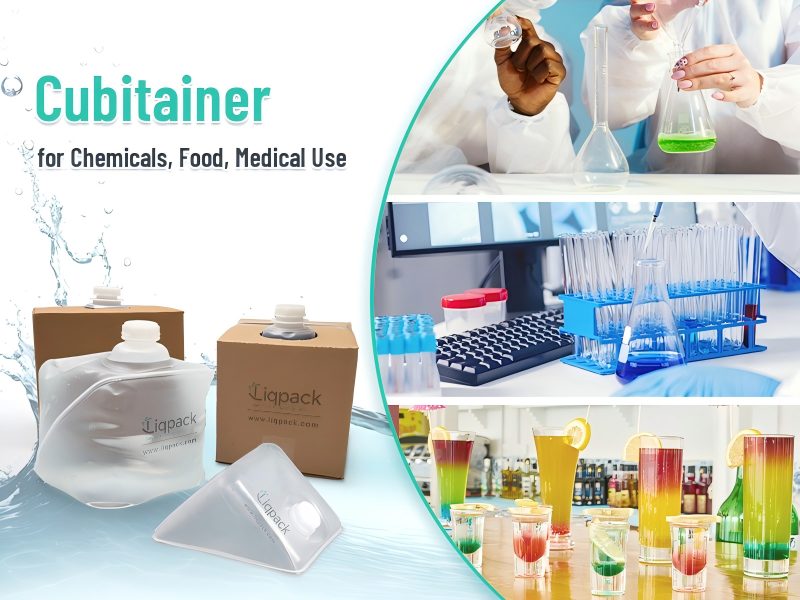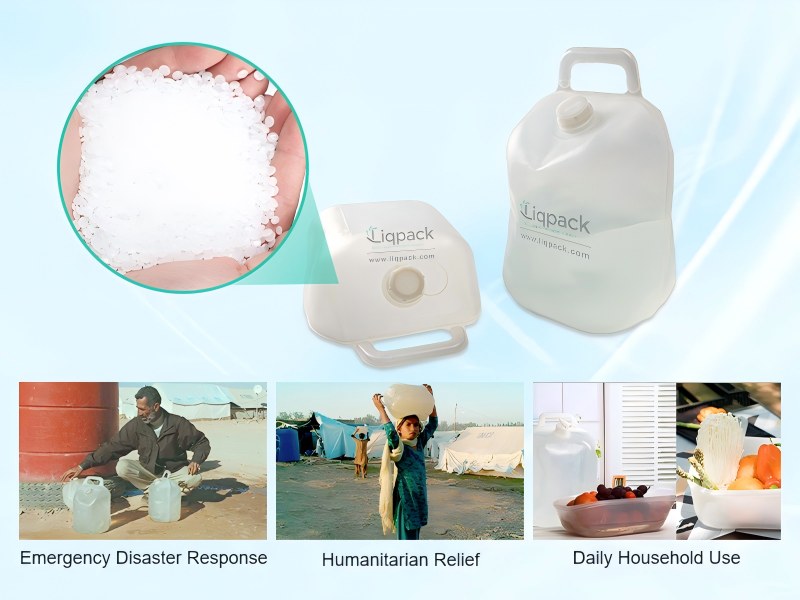
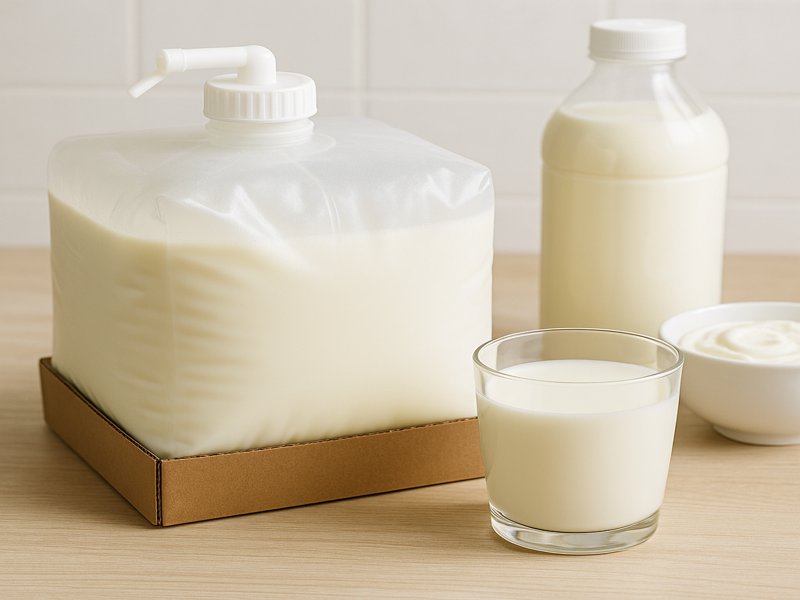
One of the food production sectors most concerned with quality is the dairy business. Milk and dairy derivatives like cream, yogurt bases, cheese culture solutions, and nutritional blends are highly perishable, vulnerable to contamination, and strictly regulated under international food safety standards. Packaging plays a key function in safeguarding product purity from the farm to the customer. Among the various packaging formats available, cubitainers—collapsible cube-shaped containers typically made from low-density polyethylene (LDPE)—have emerged as a safe, sterile, and efficient solution specifically tailored for dairy applications.
This article provides an in-depth look at how cubitainers serve the dairy industry, focusing on safety, sterility, efficiency, and suitability for different dairy products.
Why Packaging Matters in the Dairy Industry
Dairy products are unique compared to many other food categories:
- They are highly perishable, with shelf lives influenced by exposure to oxygen, light, and microbes.
- They require hygienic processing and sterile packaging to prevent spoilage or foodborne illness.
- They often undergo transport in bulk before being repackaged into consumer-friendly formats.
In this context, the right packaging must provide:
- A sterile environment from filling to dispensing.
- Strong oxygen and moisture barriers.
- Resistance to chemical cleaning agents in dairies.
- Convenient storage and space efficiency.
Cubitainers meet these challenges effectively, making them a strong choice for both raw dairy handling and processed dairy product distribution.
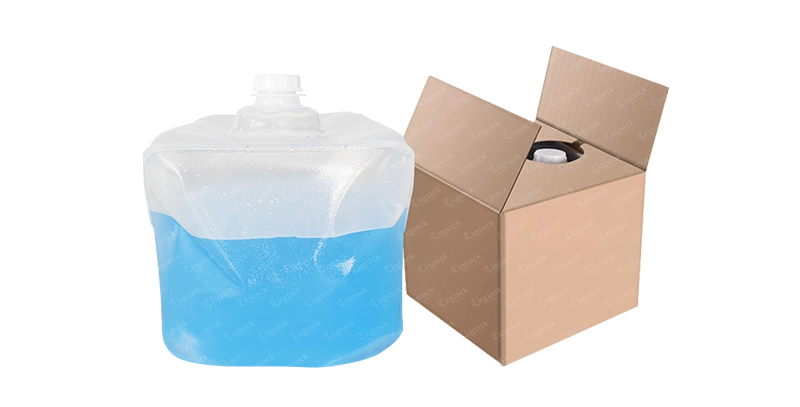
What Are Cubitainers?
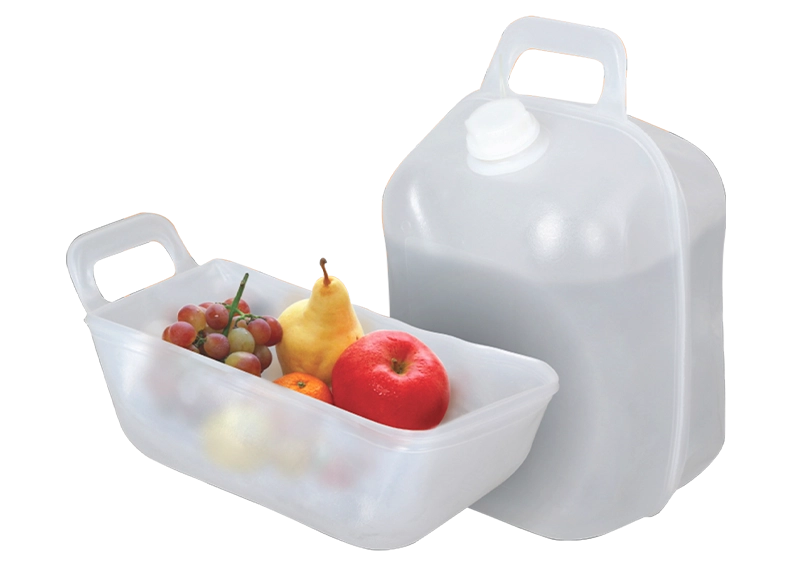
Cubitainers are collapsible, cube-shaped containers usually manufactured from food-grade LDPE. They are often placed in corrugated cartons or crates for structural support. The collapsible design allows the container to contract as product is dispensed, preventing air ingress and reducing oxidation.
Key features include:
- Collapsible walls: Minimize oxygen contact.
- Food-grade materials: Compliant with FDA, EU, and other dairy standards.
- Neck finish compatibility: Fits sterile caps, spouts, or dispensing systems.
- Variety of capacities: Typically 5L, 10L, and 20L for dairy bulk transport.
Safety Benefits of Cubitainers in Dairy
Airtight Sealing
Cubitainers use screw caps or tamper-evident closures that lock tightly, ensuring no contamination during storage or transport.
Oxidation Control
As the container collapses, air is not drawn inside, significantly reducing oxidation risk. For dairy fats and proteins, this means slower rancidity and extended shelf life.
Leak Prevention
The seamless LDPE structure and secure carton housing minimize leakage during transit—critical for liquid milk and cream.
Regulatory Compliance
Most cubitainers for dairy are certified as BPA-free, FDA-approved, and EU-compliant for food contact, aligning with dairy safety regulations globally.
Sterility in Dairy Packaging
Sterility is paramount for milk and dairy derivatives. Cubitainers support sterile handling in several ways:
- Pre-Sterilized Options: Many suppliers deliver cubitainers sterilized and sealed, ready for aseptic filling.
- Compatibility with Aseptic Filling Systems: Designed to integrate with dairy industry filling equipment, ensuring closed transfer from processing tanks.
- Replaceable Sterile Liners: In some cases, cubitainers incorporate liners that can be replaced, reducing cleaning needs and cross-contamination risks.
- Tamper-Evident Caps: Ensure end-users know if sterility has been compromised.
This makes cubitainers suitable for dairy products like pasteurized milk, UHT milk, cream, whey, cultured starters, and nutritional dairy formulations.
Efficiency Gains for Dairy Operations
Efficiency in dairy operations translates into reduced costs, faster turnaround, and minimized waste. Cubitainers offer multiple efficiency advantages:
Space Saving
The cube-shaped design fits tightly into cartons and pallets, maximizing storage and transportation efficiency compared to round containers.
Reduced Waste Volume
When empty, cubitainers collapse into flat films, reducing packaging waste volume by up to 80%. This is particularly valuable in dairies where sustainability goals are becoming more critical.
Lightweight and Easy Handling
LDPE cubitainers weigh less than rigid plastic or glass containers, making them easier for staff to carry and reducing freight costs.
Integration with Dispensing Systems
Spouts and taps allow precise dispensing of milk, cream, or starter cultures directly into production lines, minimizing spills and saving product.
Cleaning Efficiency
Because cubitainers are disposable or come with sterile liners, they eliminate the time and cost of cleaning traditional stainless-steel canisters.
Applications of Cubitainers in the Dairy Industry
Cubitainers adapt to multiple roles across dairy processing and distribution.
Milk Transport and Storage
For pasteurized and UHT milk, cubitainers maintain product quality during bulk storage and distribution to institutions such as schools, hospitals, or foodservice outlets.
Cream Packaging
Fresh cream is prone to oxidation and spoilage. The collapsible design of cubitainers ensures that cream remains stable, with extended freshness.
Dairy Cultures and Starters
Starter cultures for yogurt, cheese, and probiotics require sterile, oxygen-free environments. Cubitainers with sterile liners are ideal for transporting these sensitive liquids.
Whey and Dairy By-Products
Cubitainers are used for whey concentrates and other by-products intended for animal feed or food formulations, providing both storage safety and transport efficiency.
Dairy Nutritional Blends
Infant milk formulas and nutritional dairy bases often require aseptic packaging. Multi-layer cubitainers can be tailored for maximum protection against oxygen and light.
Types of Cubitainer Accessories for Dairy
Caps
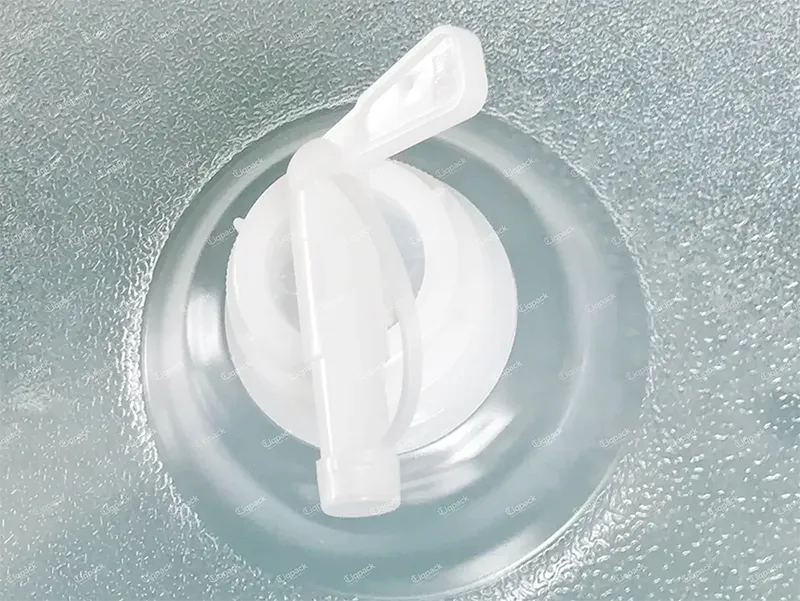
- Tamper-Evident Caps ensure integrity in milk distribution.
- Vented Caps allow smooth dispensing of thicker dairy products like cream.
Spouts and Taps
- Enable precise dispensing without contamination.
- Common in bulk dairy dispensing for cafeterias, restaurants, and food processing plants.
Liners
- Sterile liners protect against microbial contamination.
- Barrier liners block oxygen and light, critical for sensitive dairy fats and fortified milk.
Comparison: Cubitainers vs Traditional Dairy Packaging
| Feature | Cubitainers | Glass Bottles | Rigid Plastic Jugs | Stainless Steel Cans |
| Sterility | Pre-sterilized options available | Breakable, harder to sterilize | Moderate sterility | Requires cleaning and sterilization |
| Oxygen Protection | Excellent (collapsible design) | Poor | Moderate | Excellent but costly |
| Transport Efficiency | High (cube shape, lightweight) | Low (heavy, fragile) | Moderate | Bulky |
| Sustainability | Collapsible, low-waste | Reusable but heavy footprint | Recyclable | Long life but cleaning-intensive |
| Cost | Lower overall handling cost | High | Moderate | High initial & operating costs |
Sustainability Considerations in Dairy
Sustainability is central in the modern dairy industry, and cubitainers support this through:
- Lower material use: Thin-walled LDPE uses less plastic compared to rigid alternatives.
- Reduced transport emissions: Lighter weight equals lower fuel costs and carbon footprint.
- Collapsible disposal: Reduces landfill space or recycling load.
- Compatibility with recycling systems: Many cubitainers are recyclable in existing LDPE streams.
For dairies pursuing ESG goals, cubitainers align with eco-friendly operations while maintaining food safety.
Best Practices for Using Cubitainers in Dairy
- Select Food-Grade Certified Containers: Always ensure compliance with dairy safety standards.
- Match Accessories to Applications: Use sterile liners for cultures, tamper-evident caps for retail, and taps for institutional milk service.
- Train Staff on Proper Handling: Prevent punctures or mishandling during storage and dispensing.
- Store in Controlled Environments: Keep cubitainers in cool, clean areas to preserve product integrity.
- Adopt a Color-Coded System: Differentiate containers for milk, cream, and cultures to prevent cross-use.
Future Outlook: Cubitainers in Dairy Packaging
The dairy industry is moving toward automation, sterility, and sustainability, and cubitainers fit perfectly into this trend. Innovations likely to impact future cubitainers include:
- Multi-layer barrier films with superior oxygen protection for the extended shelf life of premium dairy.
- Biodegradable liners and caps to reduce environmental impact.
- Smart packaging technologies like QR codes or RFID for dairy supply chain traceability.
- Improved aseptic filling integration for faster, cleaner processing lines.
In dairy processing, packaging is more than a container—it is a guardian of freshness, sterility, and safety. Cubitainers provide a unique balance of hygiene, efficiency, and environmental responsibility. From pasteurized milk to cream, whey, and culture solutions, cubitainers ensure that dairy products remain safe, sterile, and efficient to handle across the supply chain.
As dairies seek to improve sustainability while maintaining strict food safety standards, cubitainers stand out as a modern, adaptable, and cost-effective solution for today’s and tomorrow’s dairy industry needs.