Water is life. Whether you’re hiking in the mountains, camping in the woods, traveling internationally, or preparing for emergencies, having a reliable source of hydration is essential. But lugging around bulky water bottles or rigid jerry cans isn’t always practical. That’s where collapsible water bags come in. Lightweight, flexible, and highly portable, these bags are designed to make carrying and storing water easier than ever.
We’ll cover all you need to know about collapsible water bags in this beginner’s guide, including their definition, operation, benefits, and drawbacks as well as how to select, use, and care for them. By the end, you’ll have a clear understanding of why these simple yet clever containers are a game-changer for outdoor enthusiasts, travelers, and emergency preppers alike.
What Are Collapsible Water Bags?
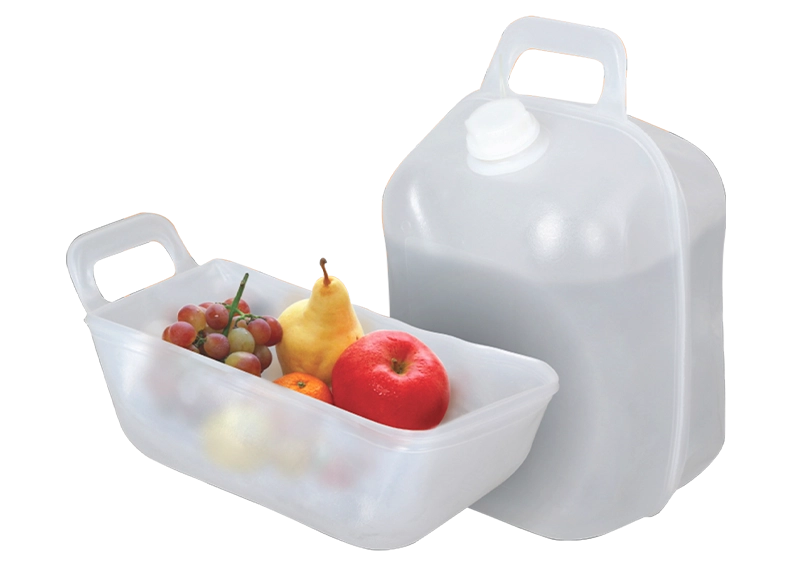
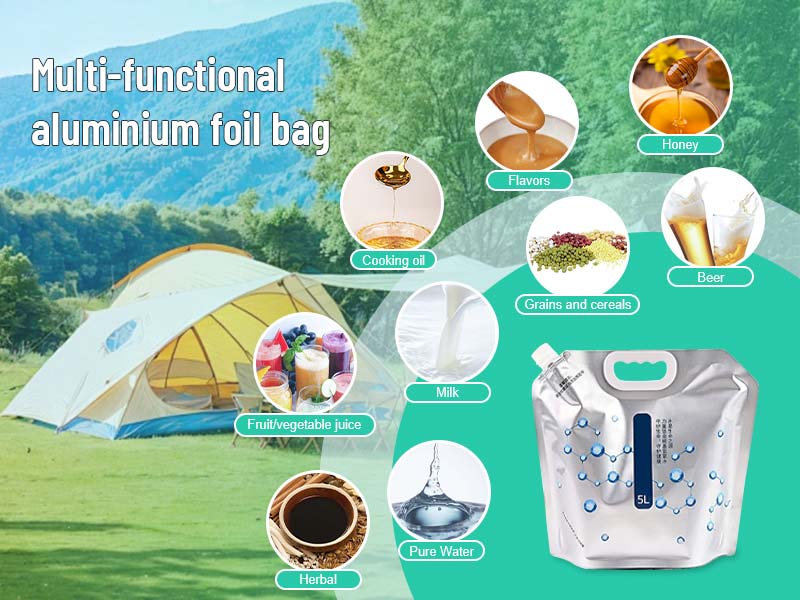
A collapsible water bag is a flexible container, usually made of food-grade plastics such as TPU (thermoplastic polyurethane), LDPE (low-density polyethylene), or multilayer films. Unlike rigid bottles, these bags fold or roll down when empty, saving valuable space in your backpack or storage area.
Key characteristics:
- Lightweight and easy to carry.
- Flexible body that flattens when empty.
- Equipped with a screw cap, flip-top spout, or hydration system connector.
- Often BPA-free and designed for safe drinking water.
- There are several different capacities available, ranging from 1 to more than 20 liters.
Think of them as the middle ground between a water bottle and a water reservoir: more portable than the first, more durable than the second.
Why Collapsible Water Bags Are Becoming Popular
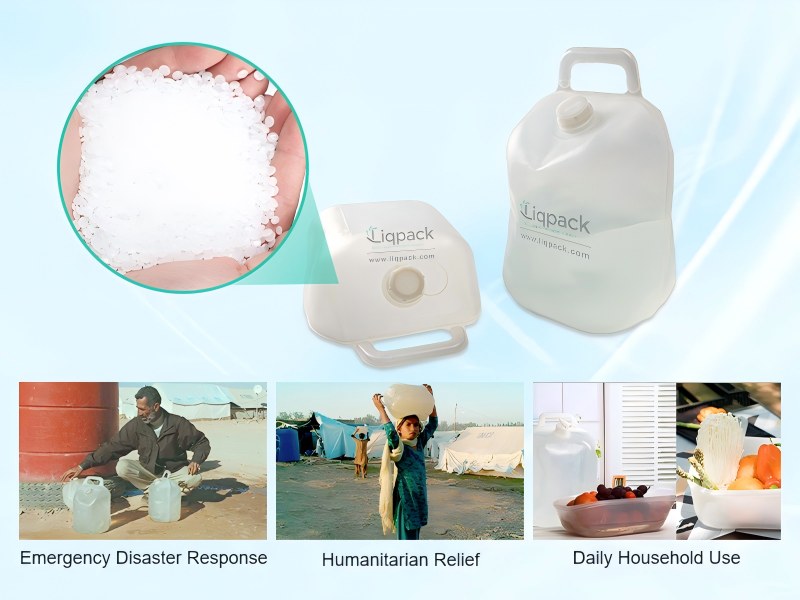
Collapsible water bags are not new, but they’ve gained traction in recent years thanks to advancements in materials and design. Backpackers, ultralight hikers, and expedition teams prefer them because they provide hydration without the bulk. Aid organizations and emergency responders rely on them for distributing clean water in crisis zones.
Their popularity comes down to three main reasons:
- Space Efficiency: They pack down small when not in use.
- Versatility: Suitable for hiking, camping, travel, and emergencies.
- Affordability: Generally cheaper than rigid bottles or jugs of the same capacity.
How Collapsible Water Bags Work
At their core, collapsible water bags rely on flexible polymers. When filled, the bag expands and holds its shape due to internal pressure from the liquid. When empty, the walls collapse inward, allowing you to roll, fold, or flatten the bag for storage.
Most designs feature:
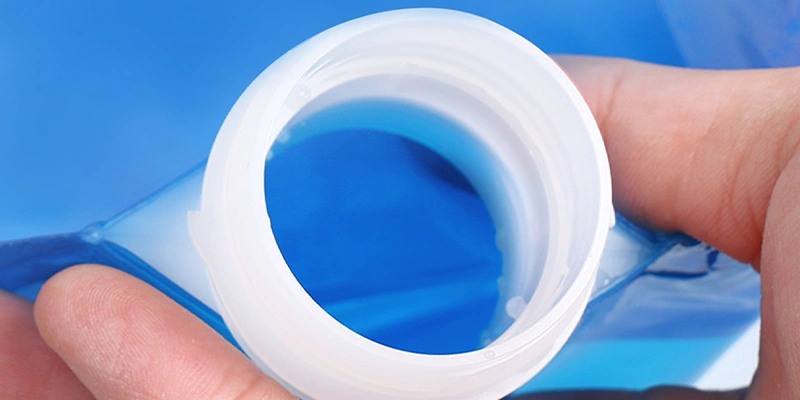
- A wide-mouth opening for easy filling and cleaning.
- A cap or spout to control water dispensing.
- Reinforced seams to prevent leaks under stress.
- Optional handles or grommets for carrying and hanging.
Some advanced models integrate with hydration systems like water filters or backpack hoses, making them even more practical for long trips.
Materials Used in Collapsible Water Bags
The performance of a collapsible water bag largely depends on the material. The three most common are:
- TPU (Thermoplastic Polyurethane): Flexible, durable, abrasion-resistant, and temperature-tolerant. Popular for premium bags.
- LDPE (Low-Density Polyethylene): Lightweight, economical, and food-safe. Common in budget-friendly or bulk water bags.
- Multi-Layer Films: Combine layers of plastics to improve puncture resistance, barrier performance, and taste neutrality.
When shopping, always check for BPA-free, food-grade certification, especially if the bag will store drinking water.
Advantages of Collapsible Water Bags
Why should you consider switching from bottles to bags? Here are the biggest benefits:
Space-Saving Design
When empty, collapsible bags fold flat or roll into a compact shape—perfect for ultralight travelers.
Lightweight
A 3-liter collapsible bag often weighs less than 50 grams, far lighter than rigid bottles.
Versatility
It can be used for drinking, cooking, cleaning, or even as makeshift pillows when filled with air.
Affordability
Generally, more budget-friendly than hydration reservoirs or rigid water carriers.
High-Capacity Options
Available in large volumes (10–20 liters), making them useful for groups or basecamps.
Durability (Modern Versions)
Reinforced seams and premium materials resist punctures and leaks better than earlier models.
Disadvantages of Collapsible Water Bags
Of course, there are downsides too:
Less Durable Than Rigid Containers
Prone to punctures if dragged over rocks or exposed to sharp objects.
Trickier to Clean
Narrow openings and flexible walls make scrubbing more difficult.
Taste Retention
Some cheap plastics may impart a “plastic taste” to water.
Stability Issues
Bags don’t stand upright easily unless designed with a reinforced base.
Lifespan
With frequent use, seams or caps may wear out faster than those of bottles.
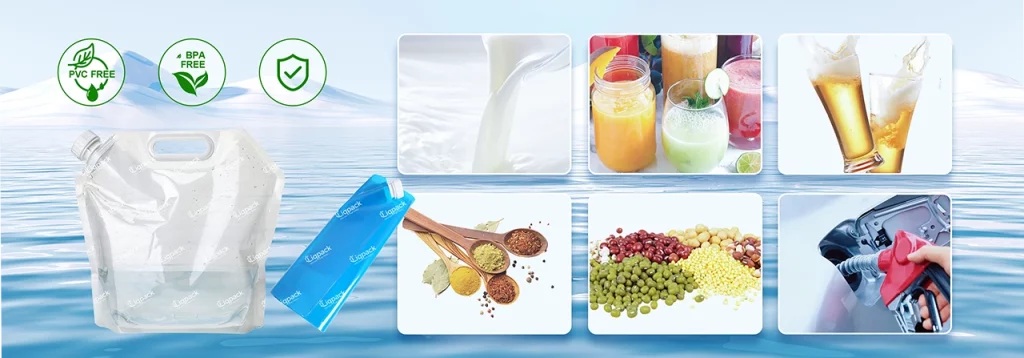
Common Uses for Collapsible Water Bags
Outdoor Recreation
- Backpacking and ultralight hiking.
- Camping excursions where there is a shortage of room.
- Kayaking and boating adventures (lightweight, easy to store).
Travel
- International travel where bottled water is costly or unavailable.
- Road trips for easy hydration refills.
Emergency Preparedness
- Disaster kits (earthquakes, floods, hurricanes).
- Humanitarian aid in water-scarce regions.
Everyday Utility
- Gym and fitness hydration.
- Office use for eco-friendly water storage.
Sizes and Capacities: What’s Right for You?
Collapsible water bags come in a wide range of capacities:
- 1–2 L: Best for day hikes, fitness, and personal hydration.
- 3–5 L: Ideal for overnight trips or small group camping.
- 10–20 L: Perfect for basecamp, family camping, or emergency reserves.
Tip: Instead of one large bag, consider multiple smaller bags for flexibility and redundancy. If one leaks, you don’t lose your entire supply.
How to Choose the Right Collapsible Water Bag
When selecting a bag, look for the following:
- Material Quality: BPA-free, food-grade TPU or LDPE.
- Capacity: Match your trip length and group size.
- Cap/Spout Type: Wide-mouth for easy filling; spout for controlled pouring.
- Durability: Reinforced seams and abrasion resistance.
- Weight: Ultralight designs for backpacking.
- Compatibility: Works with filters or hydration hoses if needed.
- Price vs. Value: Cheap isn’t always best—invest in quality if you’ll use it often.
How to Use a Collapsible Water Bag
- Rinse Before First Use – Removes any factory residue.
- Fill with Clean Water – Use potable water sources whenever possible.
- Seal Correctly: To prevent leaks, make sure the spouts and caps are securely closed.
- Store Upright or Hang – Prevents accidental spills.
- Collapse When Empty – Roll or fold for storage in your pack.
Cleaning and Maintenance
Cleaning is critical to prevent bacterial growth and unpleasant odors.
- Routine Cleaning: Warm water with mild dish soap.
- Deep Cleaning: Use baking soda, lemon juice, or diluted vinegar solution.
- Sanitizing: A few drops of household bleach in water (rinse thoroughly afterward).
- Drying: To avoid mold, air dry upside down with the lid removed.
- Pro Tip: Use a bottle brush or cleaning tablets designed for hydration systems.
Safety Tips
- Never store fuel, chemicals, or non-food liquids in collapsible water bags.
- Don’t freeze filled bags unless rated for it—expanding ice can damage seams.
- Label bags if storing different types of liquids.
Collapsible Water Bag vs. Alternatives
| Feature | Collapsible Bag | Rigid Bottle | Hydration Reservoir |
| Weight | Very light | Medium | Light |
| Packability | Excellent | Poor | Good |
| Durability | Moderate | High | High |
| Cleaning Difficulty | Moderate | Easy | Moderate–High |
| Cost | Low–Medium | Medium | Medium–High |
| Best For | Travel, ultralight hiking | Everyday, casual hiking | Long-distance hiking |
Future Trends in Collapsible Water Bags
As outdoor gear evolves, collapsible water bags are also improving. Future trends include:
- Eco-Friendly Materials: Biodegradable or recycled polymers.
- Smart Hydration Integration: Bags with sensors that track intake.
- Improved Durability: Multi-layer films with puncture-resistant coatings.
- Modular Systems: Bags that connect for expandable storage.
These innovations will make collapsible water bags even more indispensable.
Real-Life Scenarios Where Collapsible Water Bags Shine
- Backpacking Trip: You pack two 2-liter bags. They’re full on the trail but fold down to nothing when empty.
- Emergency Prep: A family keeps four 10-liter bags in their kit, ready for quick water storage during a power outage.
- International Travel: Instead of buying bottled water, you refill a collapsible bag at hotel filters.
- Camping: You hang a 15-liter bag from a tree branch as a group water station.
Practical Tips for Beginners
- Buy at least two bags—redundancy prevents total water loss.
- Mark bags with permanent marker if used for non-drinking water.
- Carry spare caps or spouts in case one breaks.
- Combine with a portable water filter for wilderness use.
Collapsible water bags are one of the most practical hydration solutions available today. They combine portability, flexibility, and affordability in a way that rigid bottles and jugs can’t. For hikers, campers, travelers, and emergency preppers, they offer peace of mind in knowing that clean water is always within reach.
If you’re a beginner looking for a reliable way to stay hydrated on the go, start with a simple 2–5 liter collapsible water bag. Over time, you can expand to larger capacities or specialized models. With proper care, these bags will become an indispensable part of your outdoor and emergency gear kit.
In short: If you value hydration, space efficiency, and convenience, collapsible water bags deserve a spot in your backpack, travel kit, or emergency supply.