Whether you are hiking in the wilderness, managing emergency preparedness at home, or operating in industrial and laboratory environments, storing and transporting water efficiently is crucial. One of the most practical solutions available today is the collapsible water container—a lightweight, portable, and space-saving tool that can serve multiple purposes.
For beginners who are unfamiliar with these containers, the options, materials, uses, and care methods can be overwhelming. This guide will walk you through everything you need to know about collapsible water containers, from how they work and where they are used to tips on selection, maintenance, and real-world applications.
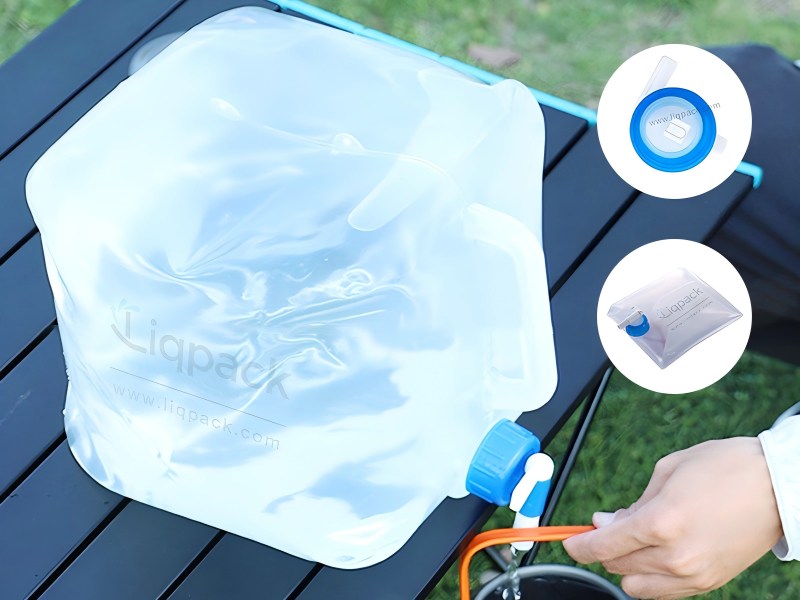
What Are Collapsible Water Containers?
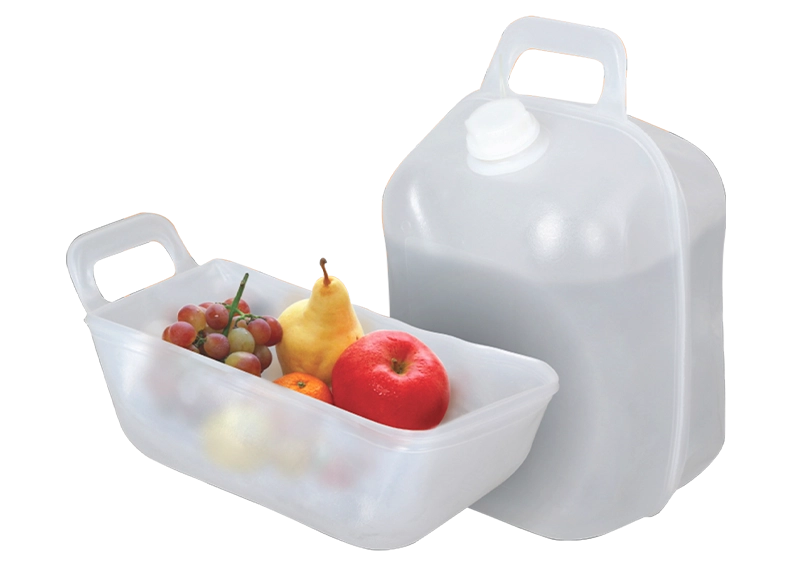
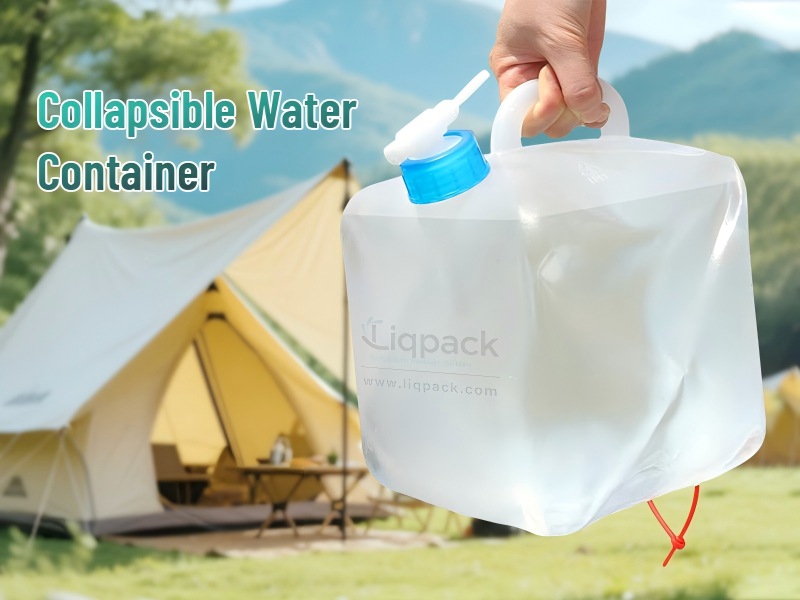
Collapsible water containers are flexible, foldable vessels designed to store water or other liquids. They are convenient for storage and transit because, unlike stiff plastic or metal containers, they can be rolled up or flattened when not in use.
They are commonly made from food-grade plastic materials, thermoplastic polyurethane (TPU), polyethylene (PE), or laminated layers designed to prevent leaks and resist punctures. Some advanced models even use multi-layer films that offer both durability and resistance to UV light.
Why Use Collapsible Water Containers?
There are several reasons why collapsible water containers have become popular across outdoor, household, and industrial settings:
- Space-Saving Design – When empty, they take up minimal space in a backpack, drawer, or storage bin.
- Lightweight and Portable – Most weigh only a fraction of traditional jugs or canisters.
- Versatile Applications – Suitable for camping, hiking, emergency kits, disaster relief, laboratories, and industrial operations.
- Cost-effective: Less expensive than rigid containers, particularly when used temporarily or on the go.
- Eco-Friendly Options – Many reusable containers reduce reliance on disposable bottles.
Key Features to Look For
When choosing a collapsible water container, beginners should pay attention to the following:
- Capacity – Ranges from half a liter (personal bottles) to over 20 liters (family or industrial use).
- Material – Food-grade plastics for drinking water; reinforced materials for industrial liquids.
- Portability – Consider whether it comes with handles, straps, or carrying cases.
- Spout and Valve Design – A wide-mouth opening makes cleaning easier, while spigots help with controlled pouring.
- Durability – Check for puncture resistance, UV protection, and leak-proof seals.
- Ease of Cleaning – Containers with removable caps and smooth interiors are easier to sanitize.
- Temperature Resistance – Some containers can handle hot water, while others are strictly for cold storage.

Common Uses
Outdoor Adventures
Collapsible water containers are essential for camping, hiking, fishing, or kayaking. They allow adventurers to carry water to remote areas without bulky jugs.
Emergency Preparedness
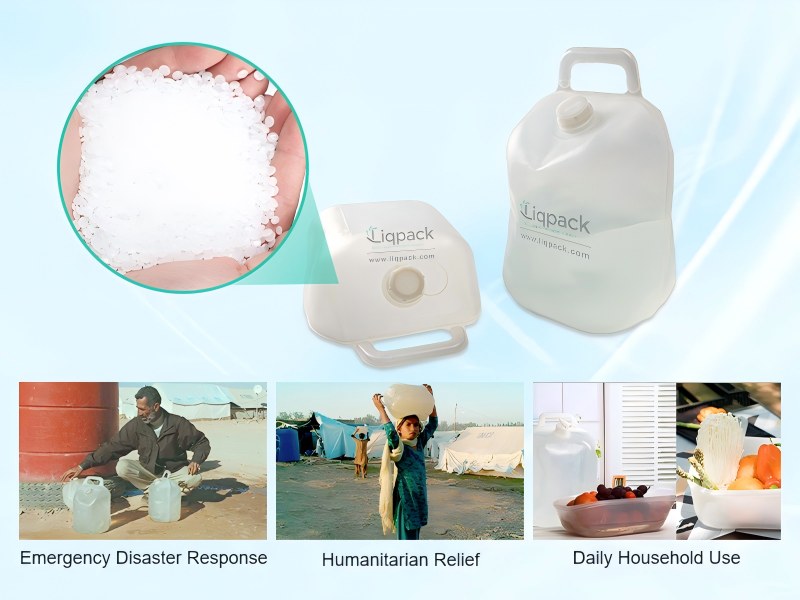
Disaster relief agencies and households often keep collapsible containers as part of survival kits. In emergencies like earthquakes or hurricanes, they provide a safe way to store clean drinking water.
Home and Garden
Homeowners use them for watering plants, cleaning tasks, or even as backup storage during water supply interruptions.
Laboratories
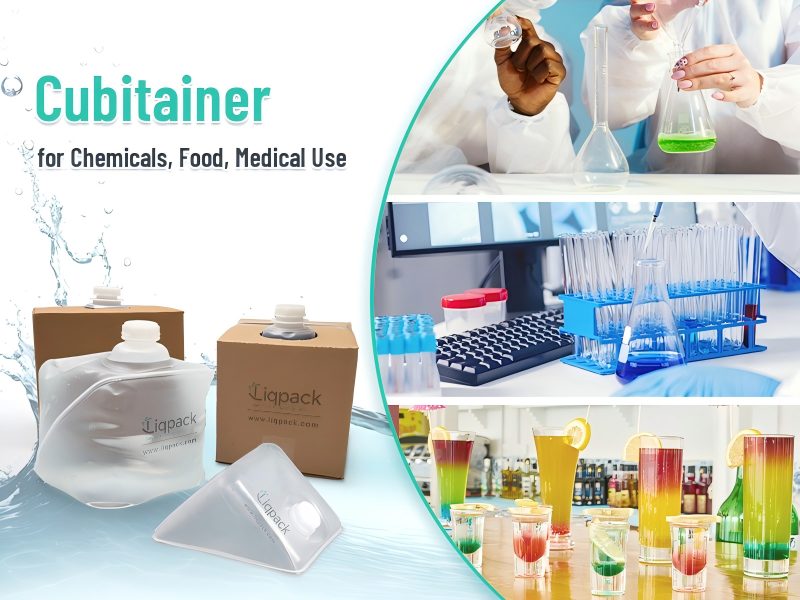
Collapsible cubitainers are widely used in labs to safely store and dispense chemicals or distilled water.
Industrial Settings
Factories use heavy-duty versions to transport lubricants, detergents, and other fluids efficiently.
Advantages Over Rigid Containers
- Storage Efficiency: When empty, it takes up less room.
- Flexibility – Can be shaped to fit into tight spaces.
- Lightweight – Easier for children, seniors, or workers to handle.
- Transport-Friendly – Airlines, shipping, and relief agencies often prefer collapsible versions due to their compactness.
- Cost Savings – Lower transport and storage costs.
Potential Drawbacks
While collapsible water containers offer many benefits, beginners should be aware of some limitations:
- Durability Concerns – Not as sturdy as steel or thick-walled rigid plastic.
- Cleaning Challenges – Some narrow designs make deep cleaning tricky.
- Shorter Lifespan – Prolonged exposure to sunlight or harsh handling can degrade materials.
- Risk of Leaks – Inferior products may suffer from seam failures.
How to Pick the Best Container for Collapsing
Step 1: Establish the Goal
- Outdoor trips? Choose lightweight and compact bags.
- Home emergency kit? Opt for 10–20L jugs with sturdy handles.
- Industrial use? Pick reinforced containers designed for chemicals.
Step 2: Check the Specifications
Look at material quality, capacity, temperature range, and certifications (e.g., BPA-free, FDA-approved).
Step 3: Compare Brands and Reviews
User feedback often reveals real-world durability and ease of use.
Step 4: Balance Price and Longevity
Higher-priced containers may save money long-term by avoiding replacements.
How to Use Collapsible Water Containers Properly
- Rinse Before First Use – Use warm water and mild soap.
- Fill Slowly – Avoid overfilling, which stresses seams.
- Keep Away from Sharp Objects – Prevent punctures by handling carefully.
- Avoid Freezing or Overheating – Unless rated for extreme temperatures.
- Use Designated Liquids Only – Do not mix food-grade containers with chemical storage.
Cleaning and Maintenance
- Daily Use: Rinse with warm water after each use.
- Weekly: Use baking soda or vinegar for deeper cleaning.
- Drying: To stop mold from growing, always let everything air dry fully.
Pro Tip: For large containers, use a bottle brush to reach corners and prevent residue buildup.
Safety Tips
- Check Seals Before Each Use – Look for leaks around the cap and seams.
- Do Not Store Long-Term in Hot Cars – Heat can weaken plastic.
- Label Industrial Containers Clearly – Prevent accidental mixing of chemicals and water.
- Replace When Worn Out – Cracks, discoloration, or lingering odors are signs to replace.
Real-Life Scenarios
- Backpacker’s Journey: A hiker carries three 2-liter collapsible bottles, saving space compared to rigid bottles.
- Emergency Flood Relief: Relief teams distribute 20L collapsible jugs to affected families, enabling safe drinking water storage.
- Laboratory Use: A collapsible cubitainer dispenses distilled water safely with minimal storage footprint.
- Household Use: Families keep collapsible containers in kitchens for storing filtered water.
Environmental Impact
Because they cut down on the usage of single-use plastic bottles, collapsible water containers can help promote sustainability. They reduce waste because they may be reused. However, they must be disposed of responsibly once their lifespan ends, preferably through recycling programs that accept flexible plastics.
Buying Guide Table
| Feature | Entry-Level Models | Mid-Range Models | Premium/Industrial Models |
| Capacity | 0.5–2L | 5–10L | 10–20L+ |
| Material | Basic PE/TPU | Multi-layer BPA-free | Reinforced with UV resistance |
| Cost | $5–$15 | $20–$40 | $50–$100+ |
| Applications | Hiking, commuting | Camping, home kits | Laboratory, industrial |
Future Trends
Collapsible container technology is evolving, with innovations such as:
- Smart containers with built-in sensors to gauge the quality of the water.
- Eco-friendly materials include plant-based polymers and biodegradable plastics.
- Multi-layer designs and reinforced seams provide increased durability.
- Hybrid Containers – Combining rigid frames with collapsible interiors for the best of both worlds.
Collapsible water containers are a beginner-friendly, versatile, and cost-effective solution for storing and transporting water.These containers are simplifying and improving the sustainability of water management for a variety of uses, including industrial applications, disaster preparedness, and outdoor enjoyment.
By understanding the types, features, uses, and maintenance practices outlined in this guide, you can confidently choose the right collapsible water container for your needs. Whether you are a hiker, a homeowner, a survivalist, or a lab technician, collapsible water containers are a tool worth adding to your gear or equipment inventory.