A practical packaging format for hematology reagent supply, with 20L as the main option and selected 10L or 5L formats for specific programs
Cubitainer for Hematology Reagent
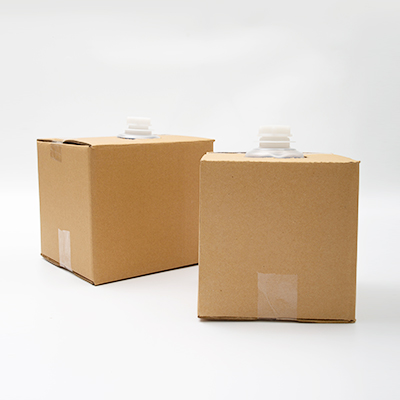
For hematology reagent supply programs, packaging is not only about volume. Buyers also need a format that supports stable material-contact performance, repeat shipment, carton-based handling, and practical project coordination. Cubitainer is often used in hematology reagent packaging because it can support bulk liquid supply together with organized storage, transport, and filling arrangements.

Why Cubitainer Is Used in Hematology Reagent Supply
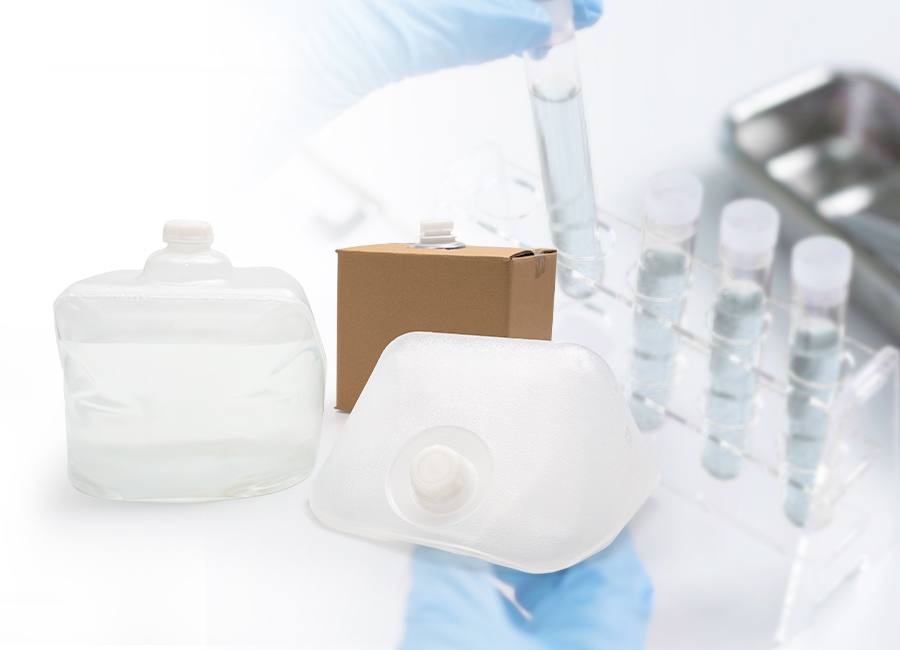
Cubitainer for hematology reagent is usually evaluated from both an operational and a material-performance perspective. The buyer is not only choosing a container size, but also reviewing whether the packaging format is practical for repeat supply, handling, shipment, and long-term use in reagent programs.
Cubitainer is used in hematology reagent supply because it can fit a carton-supported liquid packaging format that is easier to organize for storage, transport, and project-based distribution. It is suitable for programs where the liquid is filled in larger volumes and supplied through structured packing and shipment arrangements.
For this reason, cubitainer can be a practical option for hematology reagent packaging when buyers want a manageable liquid format with outer-carton support, repeat-order consistency, and more centralized packing logic.
Material Stability and Internal Verification
For hematology reagent packaging, material stability matters as much as volume. Buyers often pay close attention to whether the container may release visible extractables or create contamination-related concerns during storage or elevated-temperature handling.
In this type of project, one of the key questions is whether the packaging material remains stable after contact with the liquid and whether any visible precipitation, extractables, or packaging-related interference may affect the reagent inside. This is especially important when the liquid has stricter contact requirements and the packaging must perform reliably during storage, transport, and use.
Our cubitainer solution for hematology reagent projects is developed for applications that require more careful material-contact evaluation. The formulation is selected for demanding liquid-contact use, and internal verification work is available to support technical review.
Our internal testing work includes review of appearance stability and material-contact performance under elevated-temperature conditions. This helps us evaluate whether the packaging system is suitable for reagent-contact applications where visible extractables or contamination-related concerns must be controlled more carefully.
Supporting records can be shared during technical review upon request. For buyers evaluating cubitainer for hematology reagent supply, this provides a more practical basis for project discussion than relying only on general packaging claims.
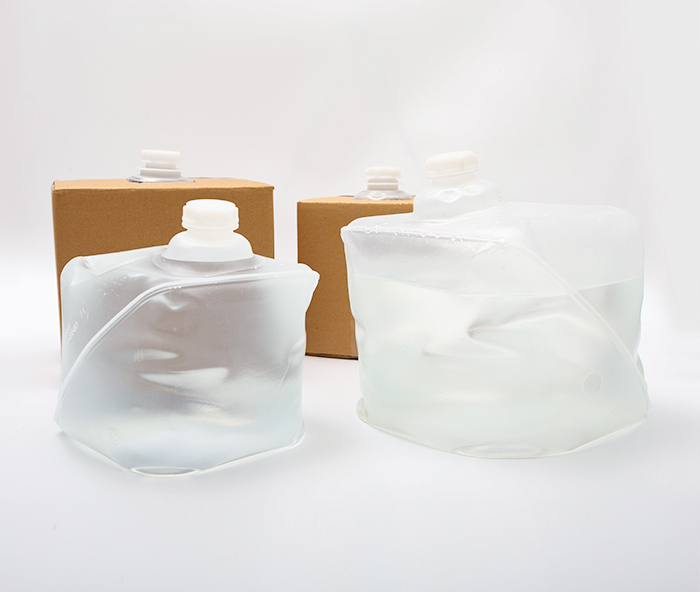
Internal compatibility verification for reagent-contact packaging projects
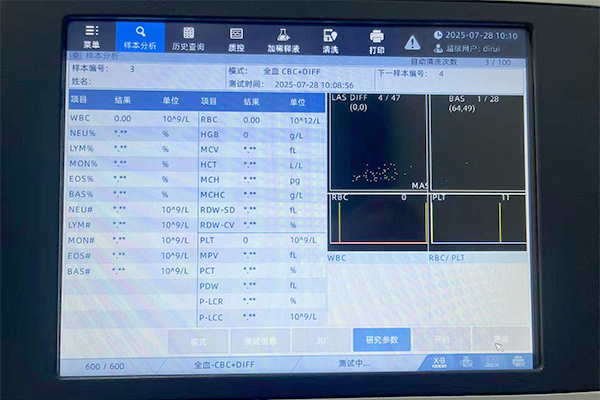
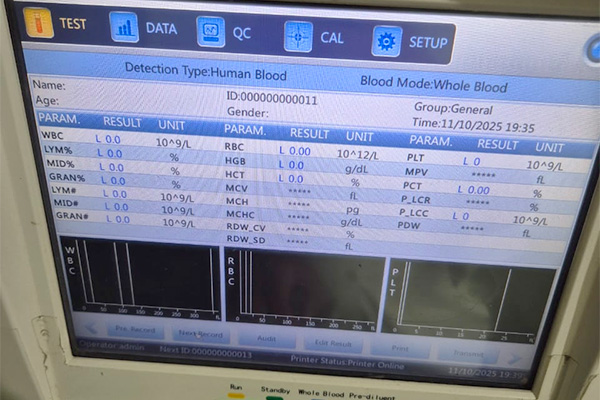
Example of internal verification work used to evaluate packaging-material performance for hematology reagent applications. Detailed test conditions and supporting records are available on request.
How to Choose the Right Cubitainer Size for Hematology Reagent
- Choosing the right cubitainer size for hematology reagent depends on how the liquid will be filled, packed, handled, and supplied. In most projects, 20L is reviewed first because it supports bulk liquid supply more efficiently and helps reduce the number of packs handled in each order.
- For many reagent programs, 20L remains the main working format because it offers a practical balance between fill volume, carton-based handling, repeat shipment efficiency, and replacement frequency. It is usually the preferred option when the project follows a more centralized supply model.
- At the same time, 10L or 5L may also be suitable in selected cases. A 10L cubitainer may work better when the buyer still needs a medium-volume format with lighter case handling. A 5L cubitainer may be preferred when smaller-volume distribution, more frequent replacement, or lower handling weight is required.
- This is why size selection should be treated as part of the full packaging review rather than as a simple capacity decision. For hematology reagent packaging, the best size is the one that fits both the liquid-contact requirement and the supply model of the project.
Typical size selection logic
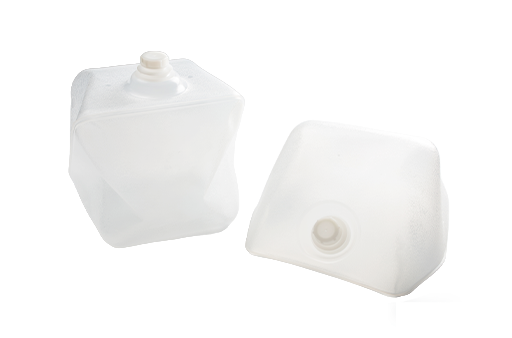
20L for most repeat bulk supply projects
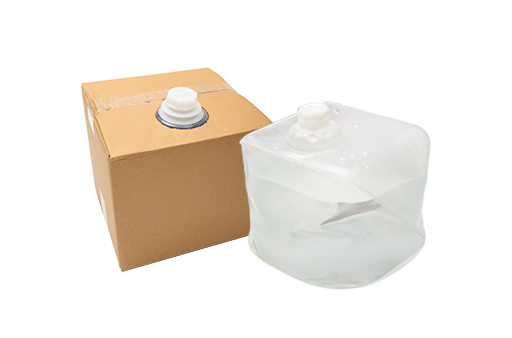
10L for medium-volume supply or lighter case handling
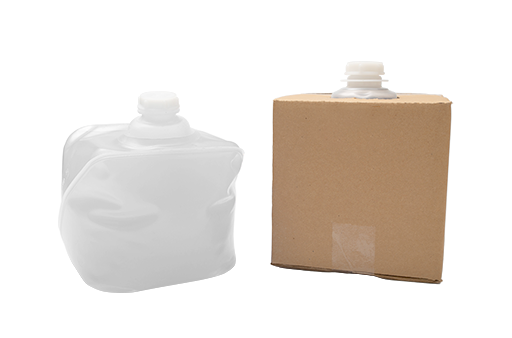
5L for smaller-volume programs or more frequent replacement
Recommended Packaging Structure for Hematology Reagent Projects
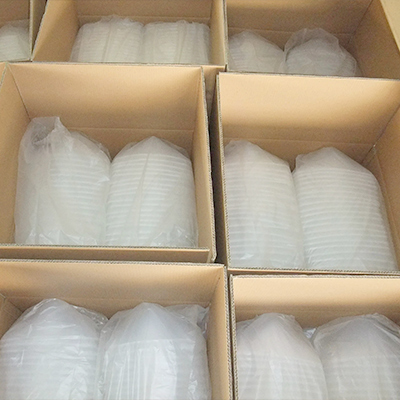
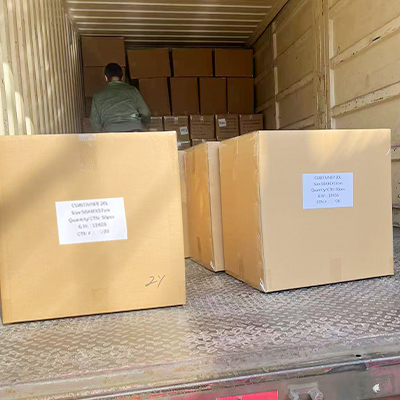
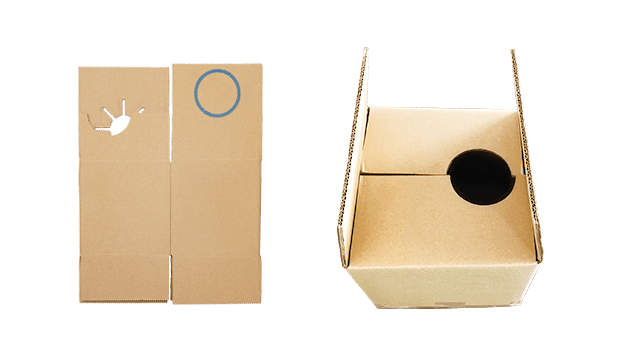
For many hematology reagent projects, the packaging system is usually reviewed as a complete structure rather than as a container alone. Cubitainer may be combined with an outer carton, closure format, and shipment arrangement that fit the project’s handling and distribution needs.
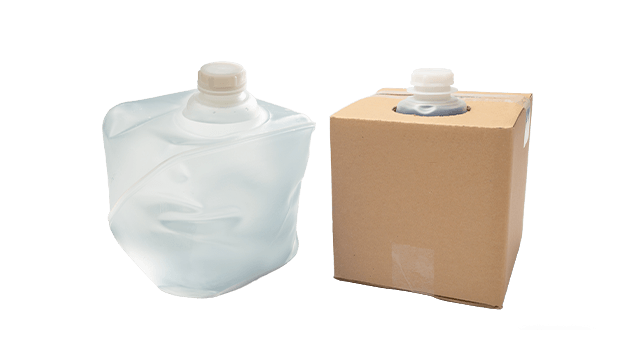
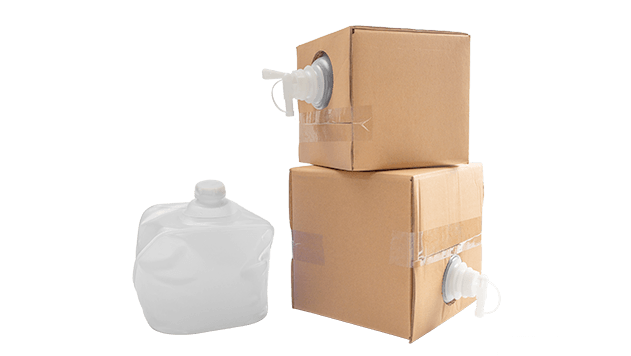
For many hematology reagent projects, the packaging system is usually reviewed as a complete structure rather than as a container alone. Cubitainer may be combined with an outer carton, closure format, and shipment arrangement that fit the project’s handling and distribution needs.
For many hematology reagent projects, the packaging system is usually reviewed as a complete structure rather than as a container alone. Cubitainer may be combined with an outer carton, closure format, and shipment arrangement that fit the project’s handling and distribution needs.
What Buyers Usually Need to Confirm
Before moving forward with samples or mass supply, buyers usually review several key points for cubitainer in hematology reagent projects. These points help reduce changes later in the project and make quotation review more efficient.
- Reagent type or liquid type
- Target filling volume
- Preferred size: 20L, 10L, or 5L
- Analyzer-related application or program requirement
- Closure or cap preference
- Outer-carton requirement
- Labeling or shipping-mark requirement
- Estimated annual demand
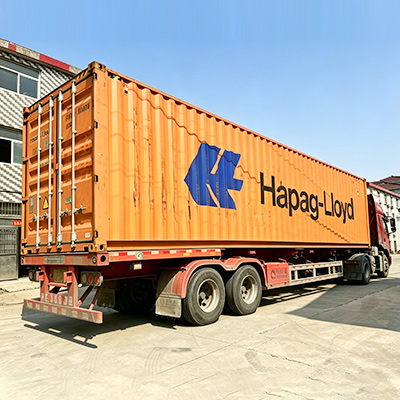
- Shipment destination and packing format
Why Work with LIQPACK for Hematology Reagent Packaging
For hematology reagent packaging projects, buyers usually need more than a simple container quote. The project often requires carton matching, liquid-contact review, size confirmation, shipment planning, and repeat-order consistency. LIQPACK supports this process with practical communication and project-oriented supply coordination.
carton matching
liquid-contact review
size confirmation
shipment planning
repeat-order consistency
We can support buyers with cubitainer review, outer-carton matching, technical discussion, and shipment planning for hematology reagent packaging programs. For projects that require more careful evaluation of material-contact performance, internal verification records can also be discussed as part of the review process.
Our goal is to help customers move more efficiently from project confirmation to sample discussion, packing review, and shipment arrangement for repeat supply programs. This page focuses on cubitainer for hematology reagent supply programs, especially where 20L is the preferred packaging format.
Request a Quote for Hematology Reagent Packaging
If you are sourcing cubitainer for hematology reagent, send us your reagent type, target filling volume, preferred size, closure preference, carton requirement, and estimated quantity. Our team can review the project with you and recommend a practical packaging format based on your liquid-contact and supply requirements.
To help us reply more efficiently, you can include:
- Reagent type
- Target filling volume
- Preferred size: 20L, 10L, or 5L
- Application or analyzer-related requirement
- Closure or cap preference
- Outer-carton requirement
- Estimated order quantity
- Shipment destination
Request a Quote for Hematology Reagent Packaging
If you are sourcing cubitainer for hematology reagent, send us your reagent type, target filling volume, preferred size, closure preference, carton requirement, and estimated quantity. Our team can review the project with you and recommend a practical packaging format based on your liquid-contact and supply requirements.
To help us reply more efficiently, you can include:
- Reagent type
- Target filling volume
- Preferred size: 20L, 10L, or 5L
- Application or analyzer-related requirement
- Closure or cap preference
- Outer-carton requirement
- Estimated order quantity
- Shipment destination